
Buyers check the spec sheet before they call. A catalogue built on your spec data.
Spec tables buyers can compare, certificates one click away and every language from one install. Kept current by the team that built it.
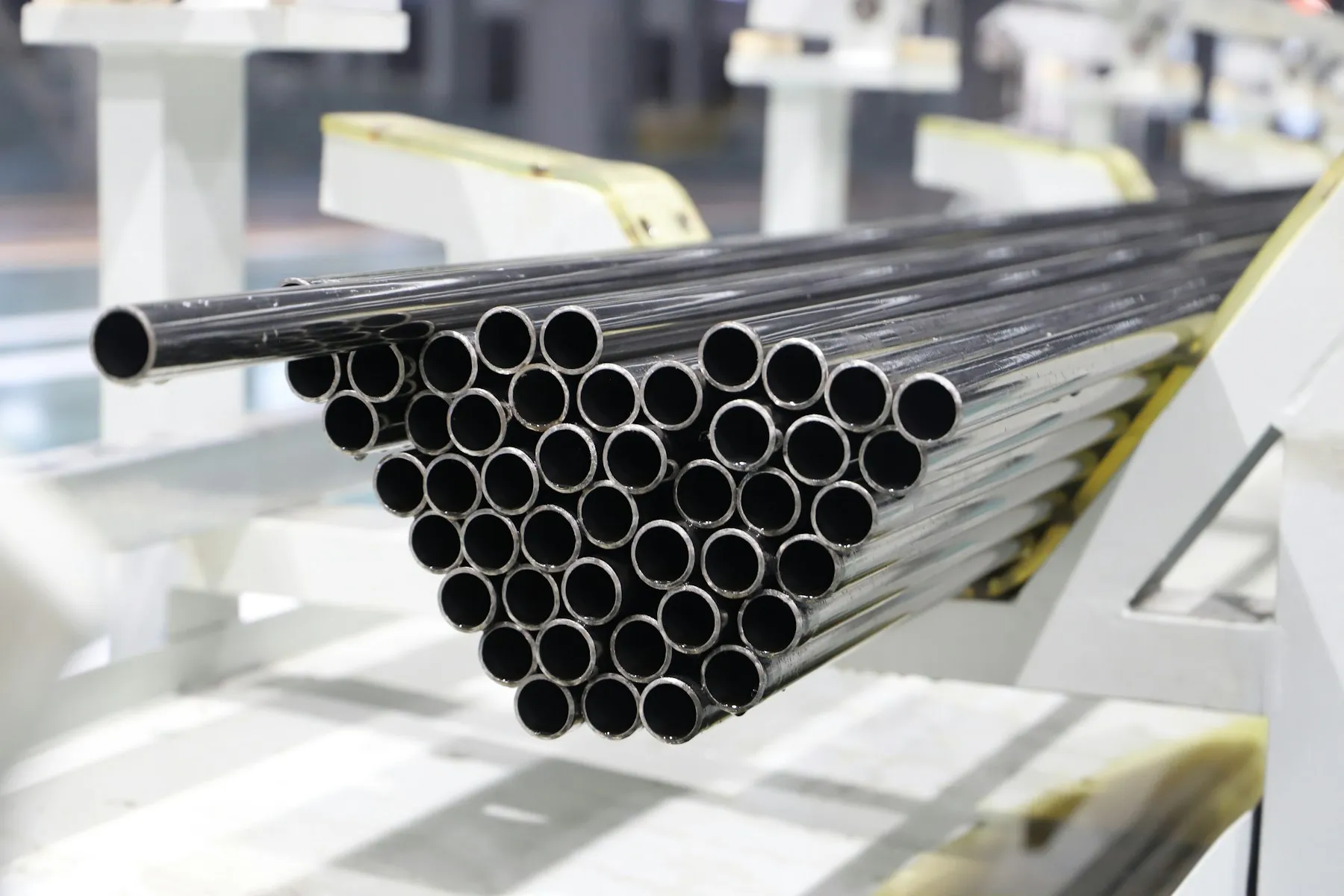 Spec tables, certificates and languages

One spec table per family
When every product has the same spec table, buyers compare on the page instead of in their inbox.
Fewer “can you send the PDF?” emails
2018
Building and running live software since
9
Manufacturers and exporters in our case studies
2
Languages on most of our export sites: Turkish and English
3
Cities: Istanbul, Amsterdam and Miami
What walks in
What export sales teams usually tell us, and what we change first
“Specs live in PDFs, so buyers cannot compare models.”
One spec table per product family, so every model can be compared on the page.
Seen in: Manufacturing & Export
“Procurement has to email for your certificates.”
ISO certificates and registrations sit on the product and company pages, one click away.
Seen in: Manufacturing & Export
“The English site is a year behind the Turkish one.”
Every language runs from one install, so a new product reaches all of them together.
Seen in: Manufacturing & Export
“Adding a product means waiting for a developer.”
Your team adds products, spec fields and documents in the admin, and we handle the rest.
Seen in: Manufacturing & Export
“Buyers cannot find the right model without calling.”
Filters by size, material, standard and application sector, and a quote button on every product.
Seen in: Manufacturing & Export
What you get
Six things the catalogue does, built and run by the same engineers
A catalogue built on spec data
Every product has the same spec table, so buyers compare models on the page instead of opening PDFs.
Certificates one click away
ISO certificates, registrations and data sheets sit on the product and company pages, and expired ones are replaced without a developer.
Every language from one install
The languages your buyers read run from one install, with translated spec fields and the right search signals for each version.
Find a product by spec or sector
Buyers filter by size, material, standard or application sector, so the right model is found without a phone call.
A quote button on every product
Each product page ends in a quote request that already knows the product, and lands in your inbox, CRM or ERP (your sales or business management software).
Kept current with your product lines
When a product line changes or a market opens, the same team updates the catalogue, with updates tested on a copy first.
Who it is for
For manufacturers whose buyers read spec sheets
A good fit
Your buyers compare before they call.
Export buyers and dealers shortlist on spec tables and certificates, so a catalogue they can use decides who gets the enquiry.
- You make or supply technical products with spec tables and certificates.
- Your buyers are abroad, or dealers sell your products for you.
- You want your own team to update it, and a team that keeps it running.
 Machinery · Metals · Components · Chemicals · Building products
Not a fit yet
A handful of products that rarely change?
A simple company site will do, and we will say so.
Come back when the range grows.
Need prices and a basket for every item?
That is a B2B store, a different build.
Start with the catalogue; a store can follow for standard items.
How a catalogue gets built
Your spec data first, then the catalogue
-
Step 01
Collect your spec data
We gather spec sheets, certificates and product lists, and agree one spec table per product family before anything is designed.
-
Step 02
Design the catalogue
Product families, filters and a quote button on every product, in every language your buyers read.
-
Step 03
Build and move your products in
The catalogue is built on a private test site, and your products and certificates are moved in and checked.
-
Step 04
Run it every month
Updates tested on a copy first, monitoring, backups and hours for new products and markets, with the same engineers.
In production
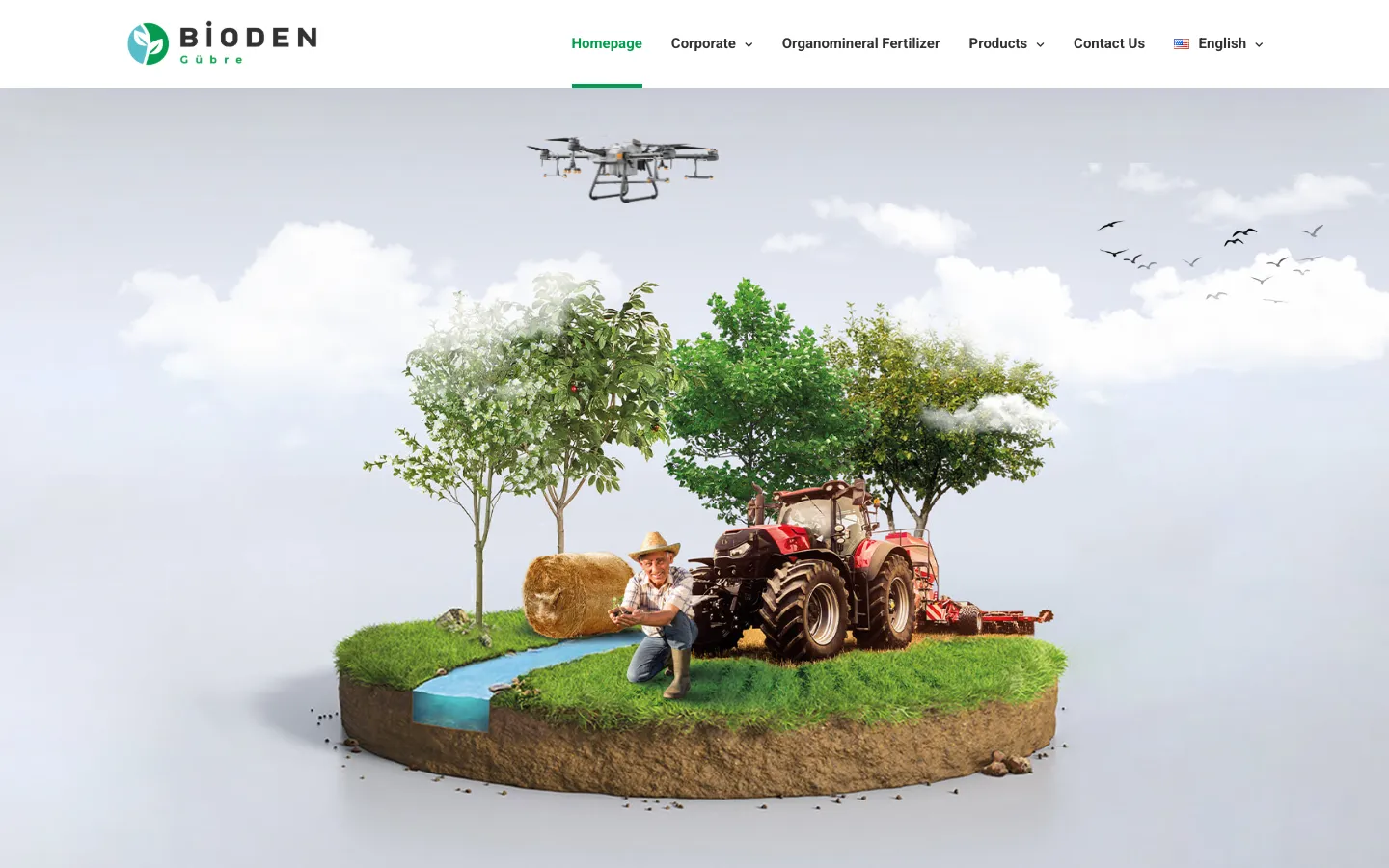
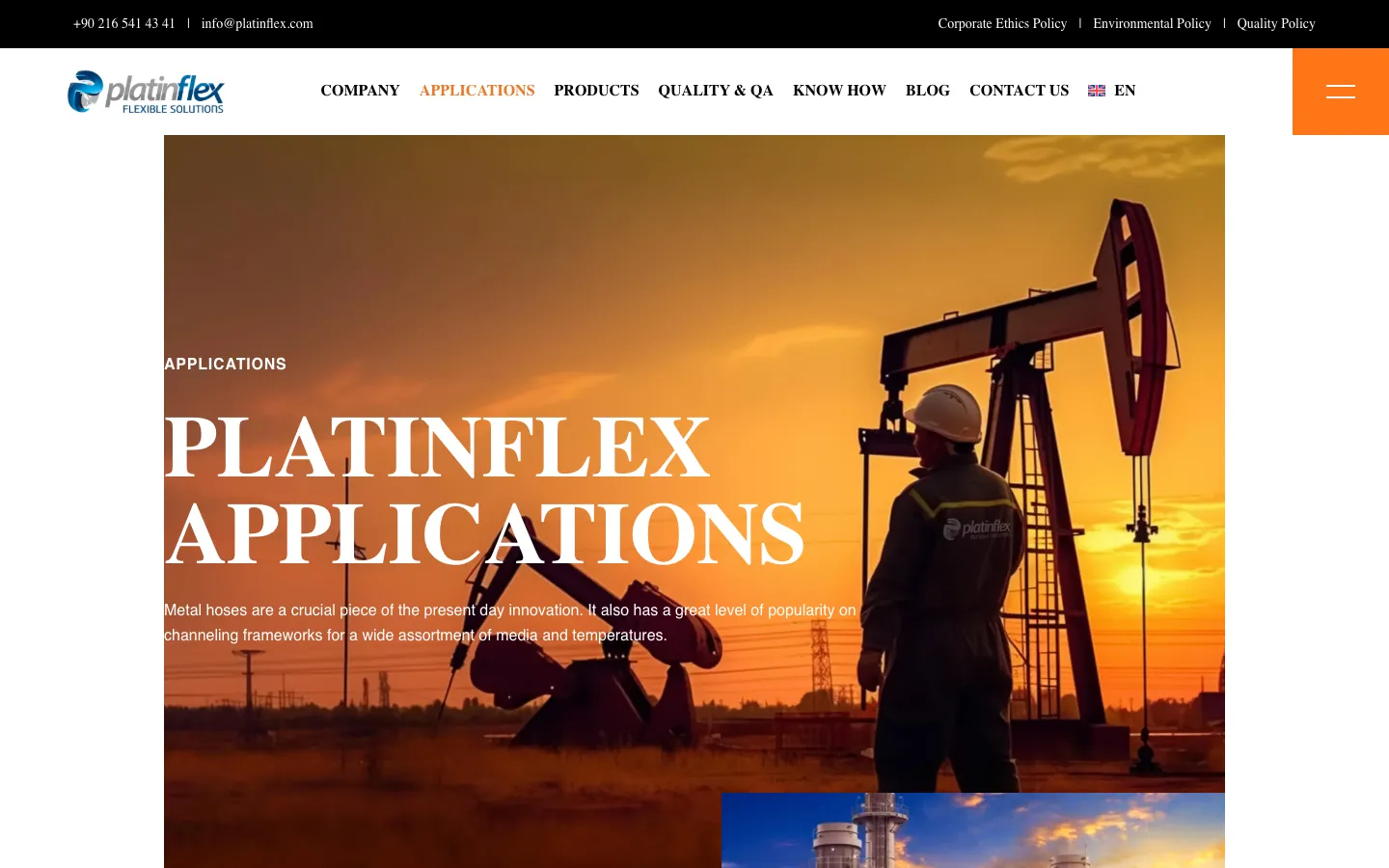
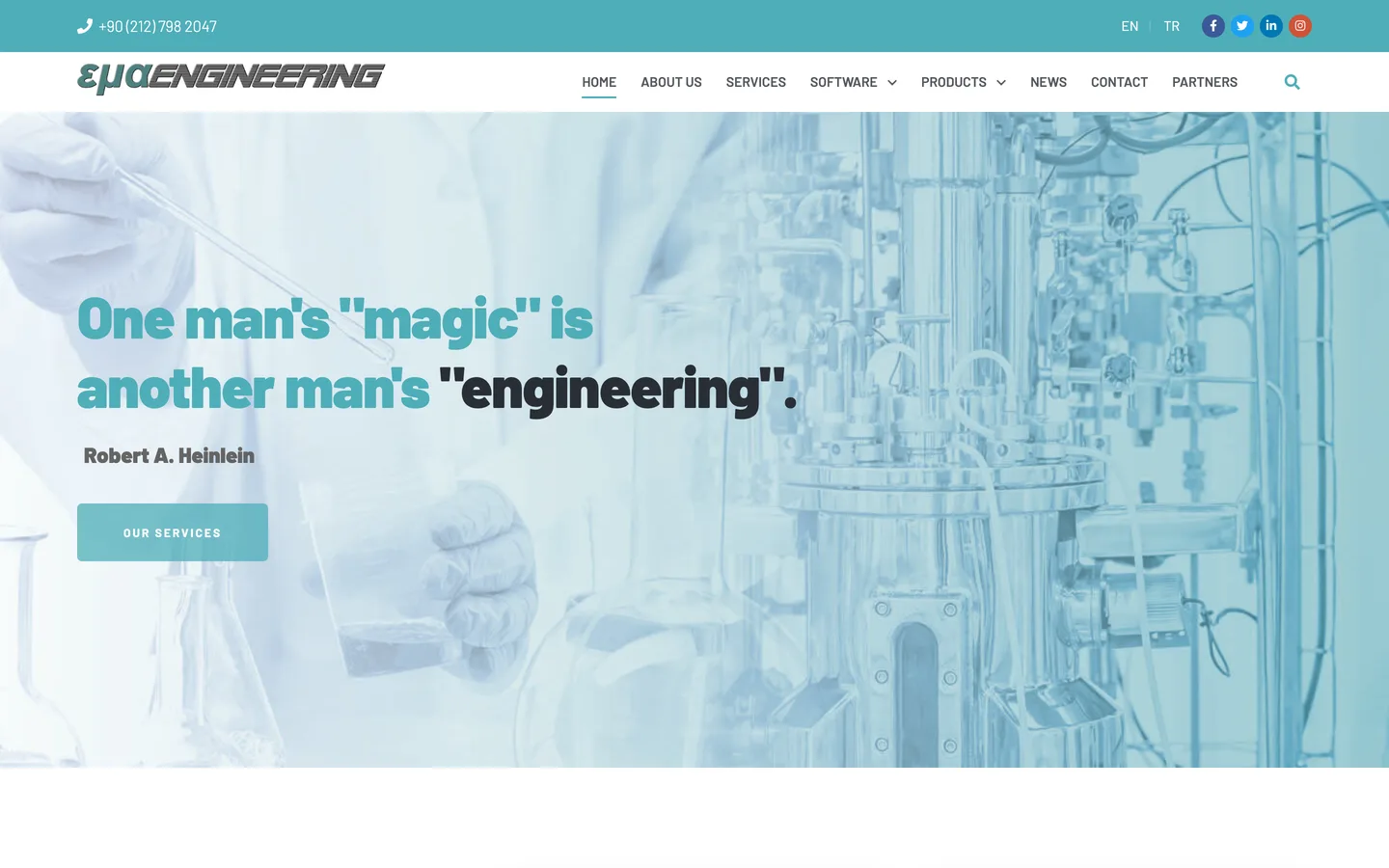
Catalogues we have built for manufacturers


FAQ