
Your buyers read three languages.
Your website should not be why they leave. Real product and service pages, quote forms that reach the right person, and the setup search engines need to show each language version to the right market.

One language, five pages, rarely changed? A theme and a freelancer will do it for much less.
Honest before clever
Next in Build
Custom Platforms & Portals
Internal tools and client portals, built to fit.
What it is
A website that reads properly in every language you sell in
Reactll designs and builds corporate and multilingual websites for manufacturers, exporters, logistics groups and product companies that sell in more than one language.
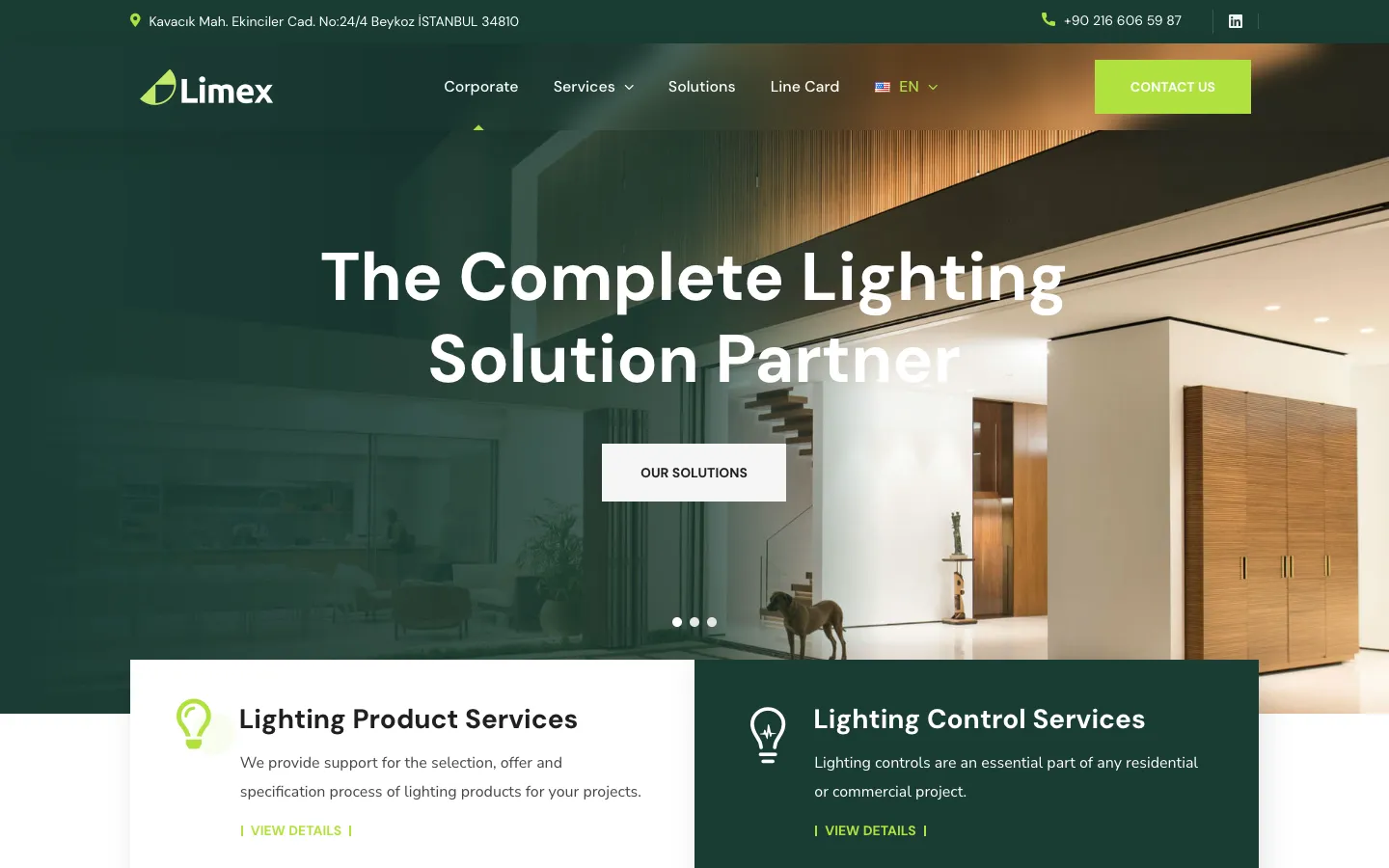
You get real product and service pages and quote forms that reach the right person. You also get the setup search engines need to show each version to the right market. Our bilingual and trilingual sites range from Limex Electric's 100-brand line card to BOS Global Logistics in English and Spanish.
Corporate & Multilingual Websites is about your company's presence in every language your buyers read, on whatever technology fits. Online shops with checkout and plugins are WordPress & WooCommerce. Quotes and orders with customer-specific prices are B2B Catalogs & Quoting. Being found after launch is Search & Answer Visibility.
What walks in
Buyers check the website before they reply. Here is what they find
“Our English site is a copy of the Turkish one, and half the product pages never got translated.”
Each language stands on its own: its own translated web addresses, forms, emails and legal pages. Hreflang tags point the versions to each other, so search engines show the right one.
“A distributor abroad asked for our catalogue and we sent a PDF.”
Product lines become proper pages with spec tables and certificate downloads. Your team edits them like text, without rebuilding the layout.
“Quote requests arrive in Spanish and sit in an inbox nobody reads.”
Each form goes to the person who prices that service, brand or language, as with the quote form for each service on BOS Global Logistics.
“Our ISO certificates exist, but procurement has to email sales for them.”
Dated certificate downloads sit next to each product. An editor replaces them in one place, so expired ones do not stay online.
Seen in: Manufacturing & Export
“Shippers and carriers land on one site that speaks to neither.”
The front door splits into "I'm a Shipper" and "I'm a Carrier", each on its own language URLs, as on BOS Global Logistics.
Seen in: Logistics & Freight

What we already know
The details that decide whether it holds up
-
01
Plan for itHreflang only works both ways
Hreflang tags tell search engines which page is for which language. Every version must list itself and every other one, or search engines may ignore them.
-
02
Redirecting visitors by IP or browser language hurts you
Search engine bots mostly visit from one country and may never see the other versions. A visible language switcher is safer.
-
03
The pages get translated; the system text does not
A second language breaks in form errors, emails, the cookie banner and the 'page not found' page. A wrong decimal separator turns 1,5 mm into fifteen.
-
04
WordPress or custom
Most corporate sites are best on WordPress. Editors know it, and it is cheap to run. We use Laravel when the site is part of a product, as with Syntask.
Who it is for
For companies whose buyers read more than one language
A good fit
- You sell B2B or export, and buyers check the website before they reply.
- You need two or more languages, each with its own pages, forms and search visibility, not an automatic translate button.
- Your team must edit product lines, spec tables or certificates, and you want one team to build and run the site.
 B2B and export
Not a fit yet
One Language, Five Pages
Rarely changed? A theme and a freelancer will do it for much less.
You Sell With a Cart
An online store with checkout is a bigger platform build, not a company site.
Start at WordPress & WooCommerce
How a site gets built
Every language checked with real text before launch
-
Step 01
Map Site and Languages
We agree the pages, languages, translators and who gets each form. Missing content is named before design starts.
-
Step 02
Design the Templates
Checked in every language with real text, because German and Spanish text is longer and breaks layouts built for English.
-
Step 03
Build and Load Content
A test copy of the site, moving your content over, forms, emails, visitor analytics and cookie consent.
-
Step 04
Launch, Redirect, Run
Old addresses redirected to the new ones (301 redirects), Google Search Console set up per language, then a Run plan or a handover with documentation.
In production
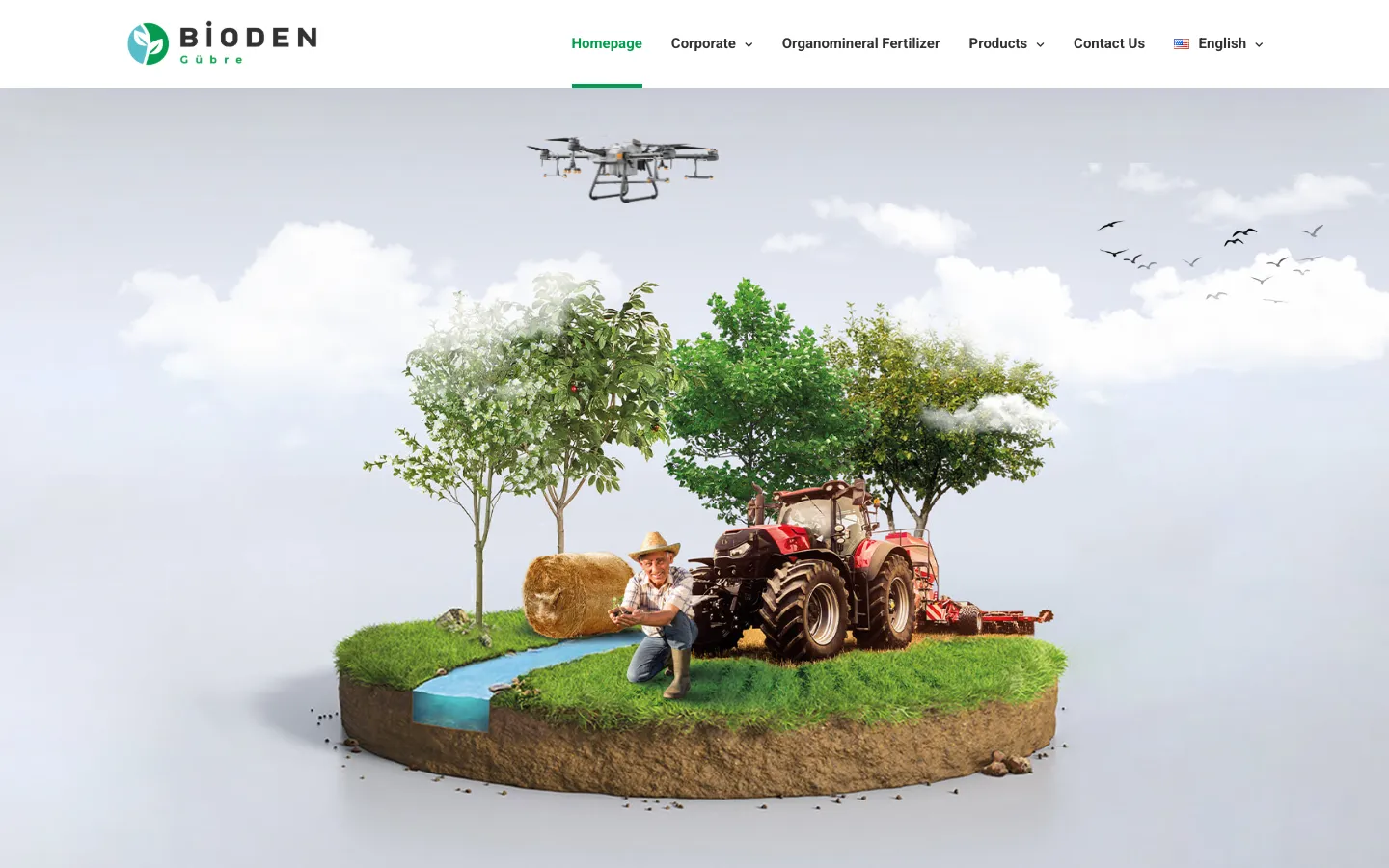
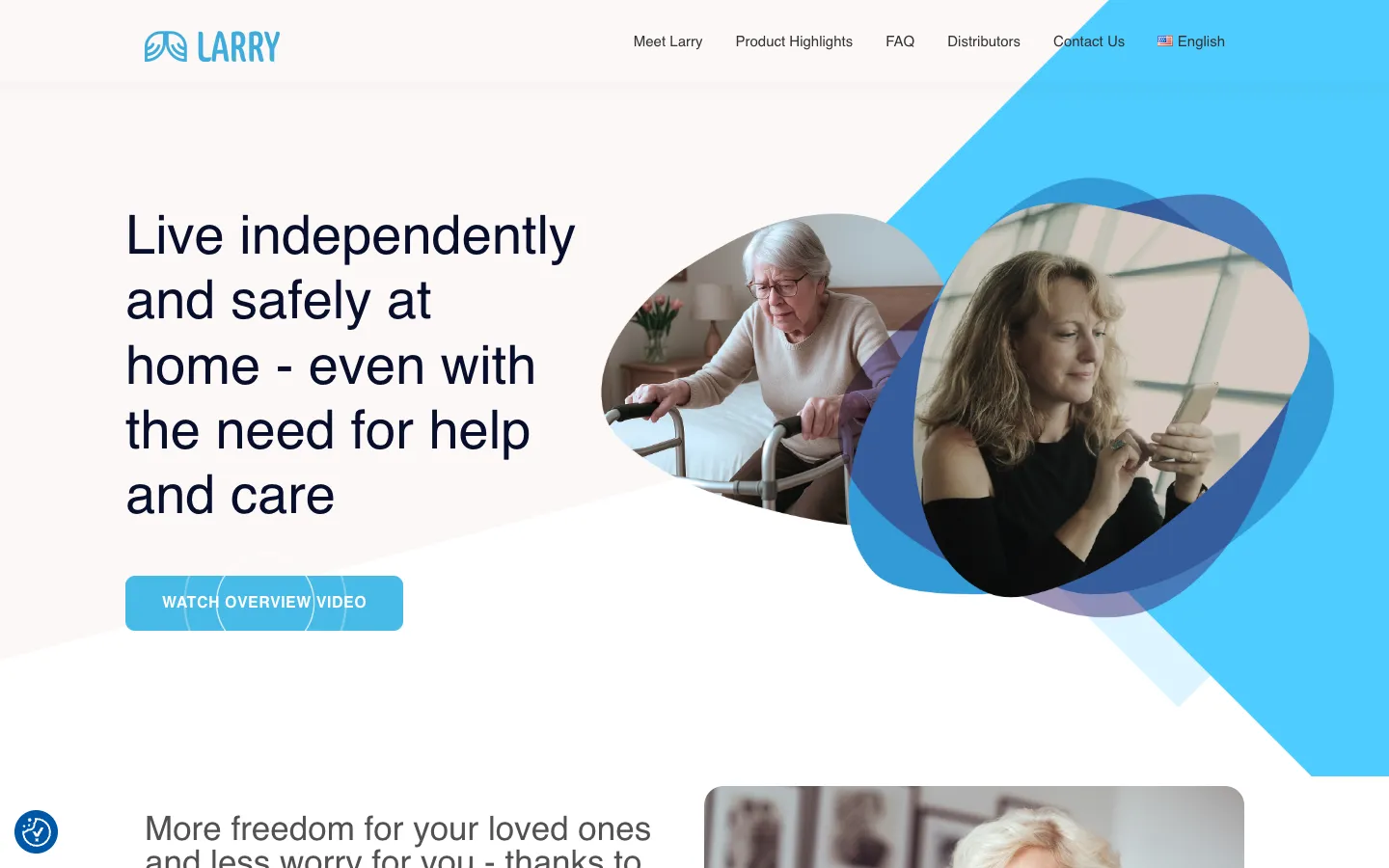
Sites in two and three languages, live today



FAQ