
Everyone says use AI. Nobody says where.
Each possible use gets a plain yes or no. We check how often it happens and whether the answer can be checked. We also say where a fixed rule or a better form does it for less.
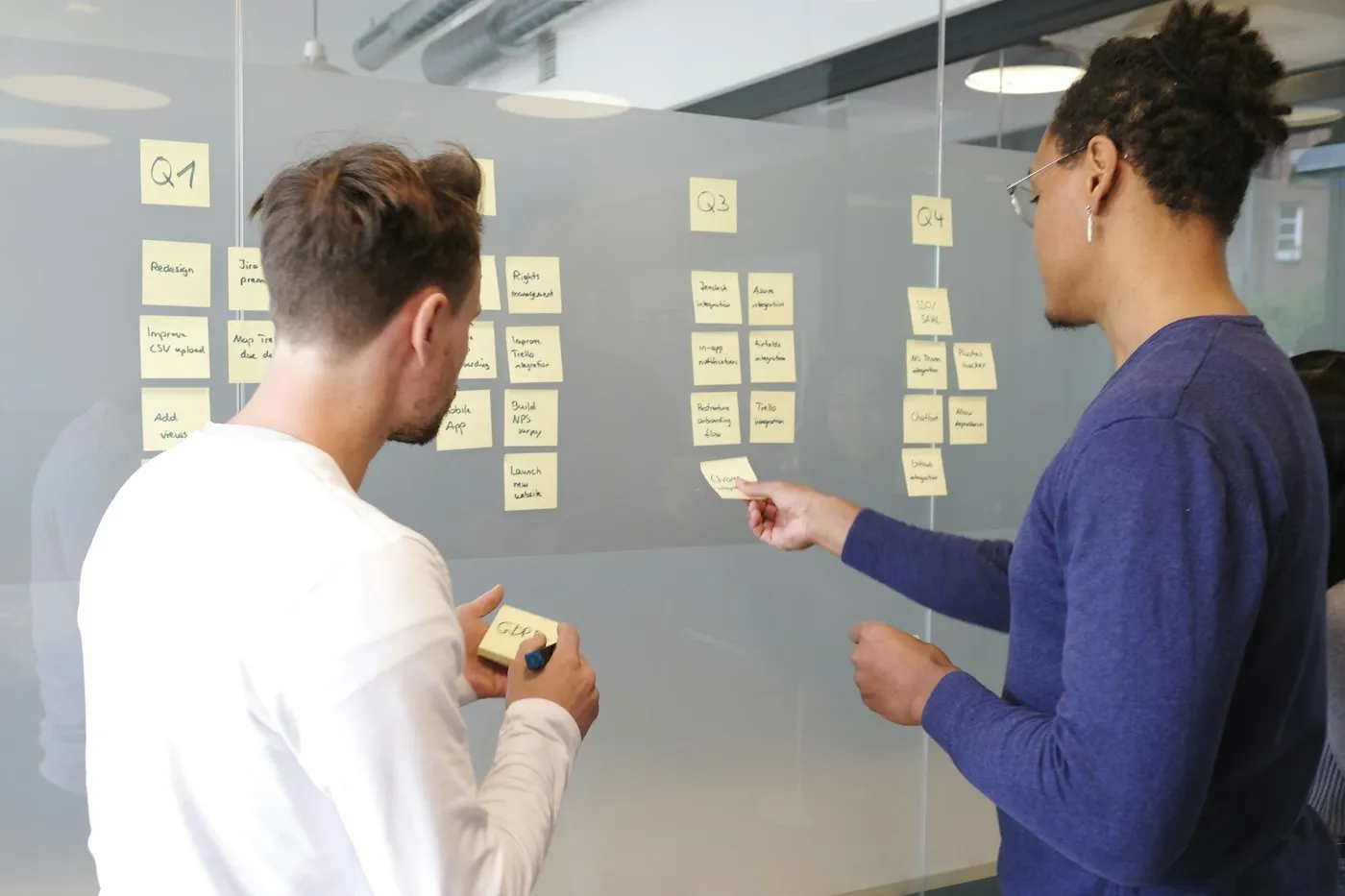
Where AI earns its place, and where it does not. A written, ordered plan of what to fix, build or buy off the shelf, for owners who know something has to change but not what comes first. Each step goes live on its own.
Why a roadmap
Each step is small enough to go live on its own. So you get value from the first step, not only at the end.
We run AI in our own live products, Estimonia among them. That is why the plan says no to AI wherever a plain rule, an existing tool or nothing at all would do better.
Small steps. Each one paying for the next.
2018
Building and running production software since
7
Products of our own we run in production
3
Model providers behind one interface
1 week
System review, delivered within a week

Where owners start
Three things we hear before a roadmap, and what the plan does with each.
What you get
 Build, buy or do nothing
The tools, data and manual steps the business runs on, including the spreadsheet and inbox nobody calls a system.
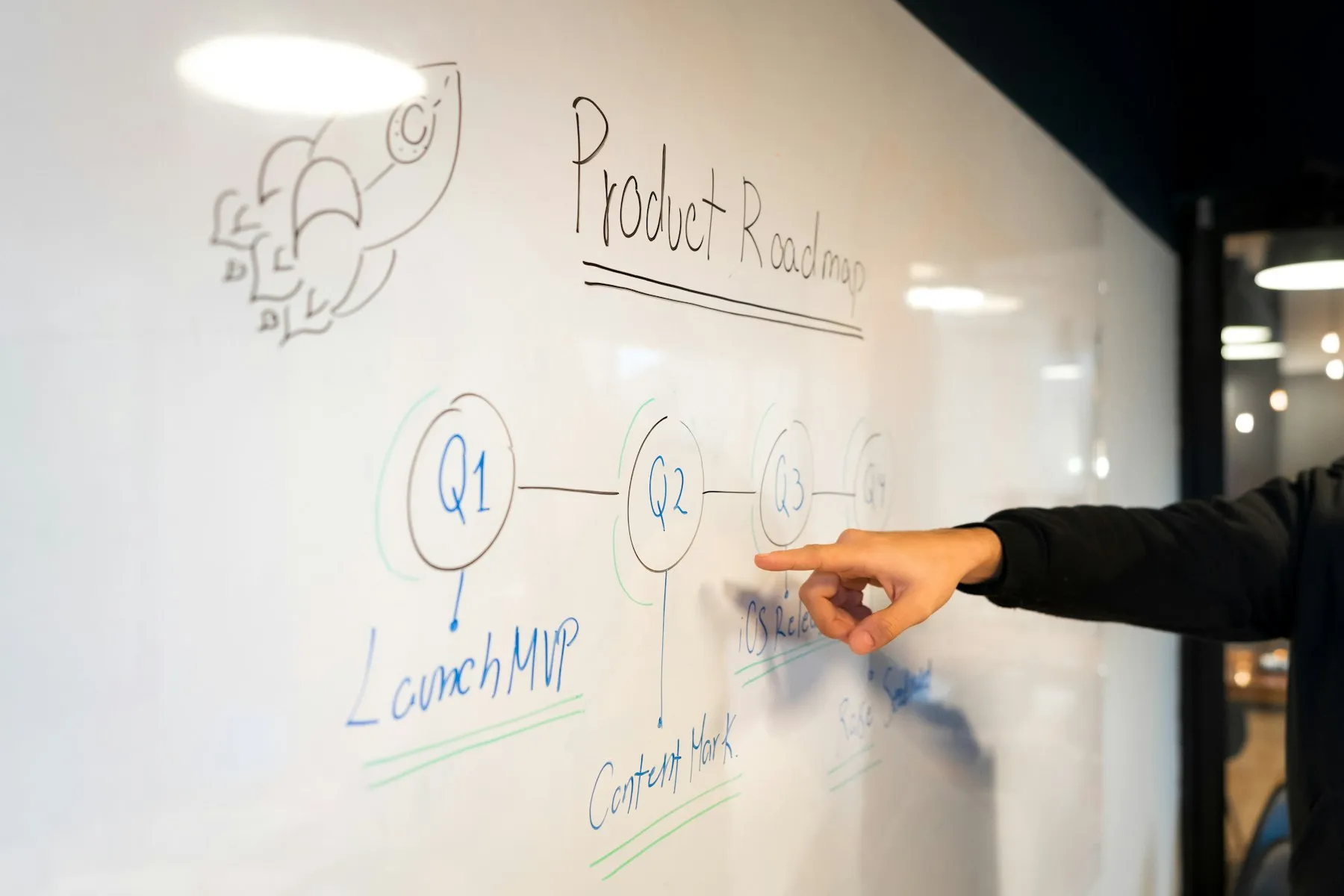
Each step with its purpose, what it depends on, its risks and rough size. Each is marked as build, buy, change a setting, or do nothing.
Each possible AI use is checked: does it happen often, can a correct answer be checked, and does a person approve it where a mistake costs money.
Whether WooCommerce or a SaaS tool you already pay for covers a step. Buy wins more often than builders admit.
The first step
Ready to price straight away.
The first step is written tight enough to go straight into Scope & Fixed Quote.
Where AI earns its place

AI on messy data repeats the mess faster. Often the first step is cleaning product data, customer records or document storage.
Where volume is low or a mistake costs money, a plain rule, an existing tool or nothing at all usually does better.
How the roadmap is made
Step 01
We look at the actual tools, exports and inboxes, because the useful detail is in the awkward cases.
Step 02
Every idea is checked for how often it happens, the data it needs, the effort to connect systems, and the cost of a mistake.
Step 03
Each step earns its keep on its own, and nothing is built before what it depends on.
Step 04
The roadmap is yours to use with anyone. The first step can go straight into Scope & Fixed Quote.
In production
FAQ
Tell us how the business runs today. We will talk through what to fix, build or buy, and in what order.
Step 1 of 2
Two quick steps: what is going on, then where to send our reply. An engineer reads it and tells you honestly if we are not the right fit.
Which of these is closest?
Two steps. We ask for an email on the next one.
An engineer reads it and usually answers the same working day. In the meantime, feel free to explore.
Cookies
Before you go — have a system that's stuck, or needs AI?
We build what's missing, add AI where it really helps, and keep it all running.