
Reactll — AI & Software Engineering Reactor Technology
For Manufacturing & Export For Logistics & Freight For Restaurants & Cafés For Events & Tourism For Real Estate For E-Commerce & Retail For Law, Tax & Accounting Firms For SaaS & Startups
Case Studies Pricing

Guests look you up before they come. Make sure what they find is right. A menu you edit, requests that reach you.

Restaurants lose guests online in quiet ways: a PDF menu nobody can read on a phone, party enquiries after closing, holiday hours that differ from Google. We fix each one and keep the site current every month.

Start with the menu and the requests. Add more only when it pays for itself.

Honest before clever

What we fix for restaurants

Five places a restaurant loses covers online

Most of it is quiet: a guest who could not read the menu on a phone, an enquiry nobody answered after closing.

01

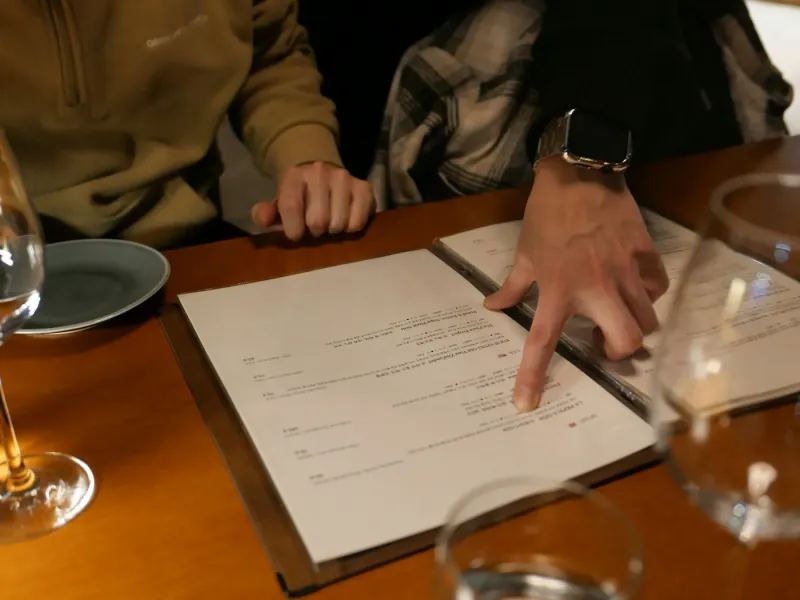
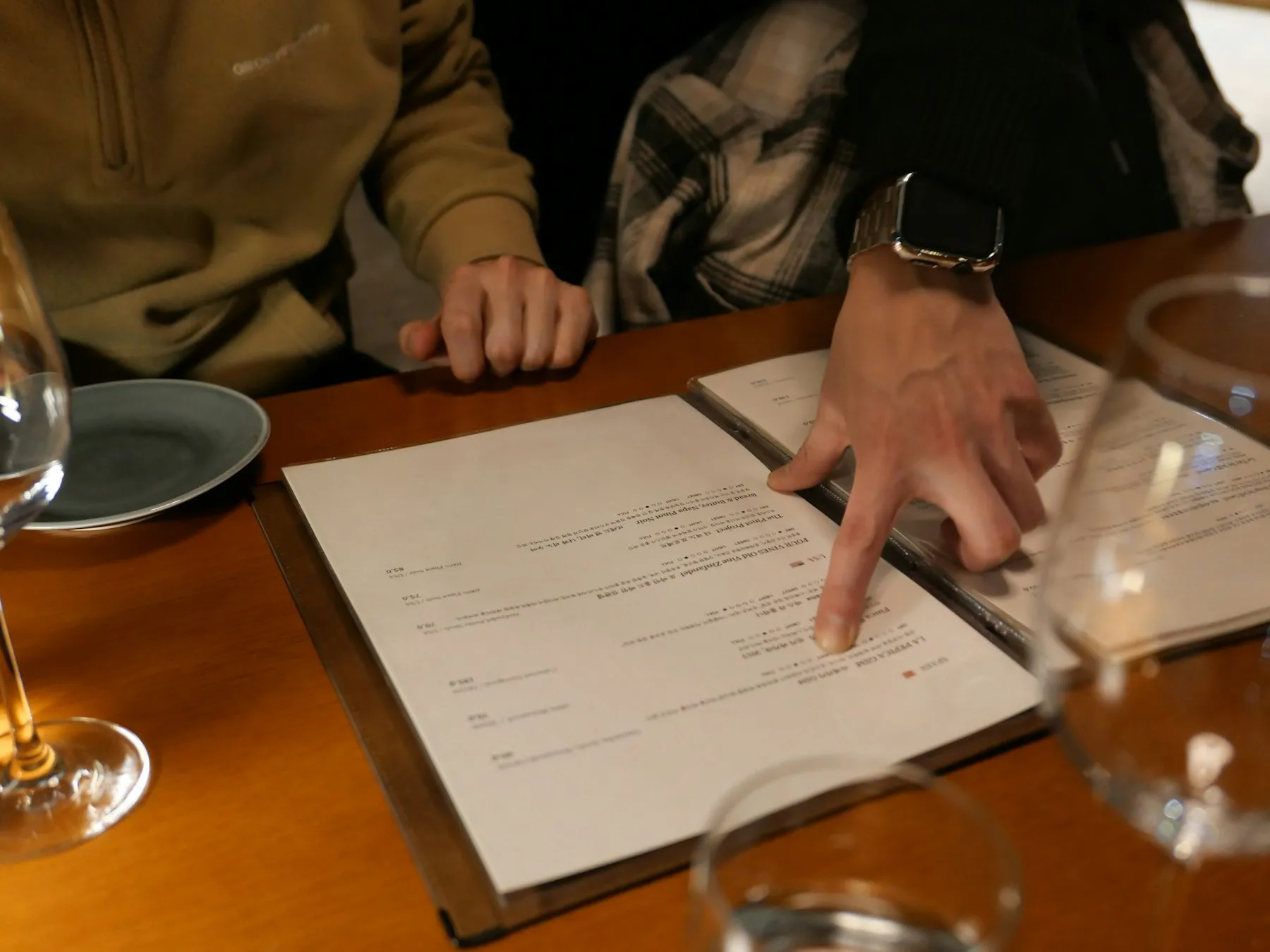
The menu is a PDF guests cannot read on a phone.

The menu as a real web page (sections, dishes, prices) that the manager edits in minutes, on your current site if it is in good shape.

Corporate & Multilingual Websites
02

Party enquiries after closing go to the place down the street.

A private-events form (date, headcount, budget, menu) that reaches the person who sells events. Events are sold, not booked.

Booking & Reservations
03

Holiday hours on Google and the site do not match.

Hours changed in one place on the site, and the site gives Google the same hours, so nobody turns up to a closed door.

Corporate & Multilingual Websites
04

Nobody can change the hours since the builder left.

We take the site over, document it and keep it updated, so hours and set menus change in minutes.

Takeover & Handover
05

Allergens are typed into dish descriptions.

Allergens stored as tags on each dish and checked by the kitchen. Any assistant answers from those tags and leaves allergy safety to staff.

Customer Assistants

What we already know

Guests decide from the menu. We start there

01

The Menu Is the Website

Most visitors decide from the menu, the prices and the walking distance. A PDF menu is the most common thing restaurant sites get wrong.

02

Allergen Information Has Real Rules

In the EU, information on 14 allergens must be available for every dish, packed or not. In the UK, food packed on site before it is sold carries full ingredient labels; in the US, sesame has been a major allergen since 2023. Even where the law does not apply, guests ask.

03

Seasons and Tourism Change the Questions

In tourist areas, people check your site on the street, deciding where to eat right now. Around festivals and holidays, correct hours in search listings matter more than any redesign.

Where AI fits a restaurant

AI answers the routine. The kitchen confirms allergens

Useful where it drafts from your own menu and policies for staff to check. Not a replacement for the kitchen or a phone call.

Where AI helps

Routine Guest Questions

Hours, parking, allergens and group sizes answered from your own menu and policies, with a hand-off to staff for anything about a booking.

Where AI helps

Drafts for Staff to Check

Private-event replies drafted from your packages for the events manager to edit, and a new printed menu turned into a structured draft before prices and allergens are checked.

Where it does not

Allergen Safety

An AI answer must not replace the kitchen's own confirmation. And if your enquiries are a handful a day, a clear menu, hours and a phone number do more than a chatbot.

What changes

What changes once the menu is data, not a PDF

  1. 01

    A Menu Guests Can Read and Staff Can Change

    Dishes and prices updated from the admin the same day the kitchen changes them.

  2. 02

    Tables and Events Requested Directly

    Requests reach the right person with everything needed to answer in one reply. No per-cover fee.

  3. 03

    Hours and Forms Kept Right

    Holiday hours that match Google and forms tested every month, by the team that built the site.

Restaurant sites we built

FAQ

Questions restaurants ask before we start

A restaurant site with an editable menu and request forms is usually a Website project, at a fixed price agreed before work starts. A private-events page, card deposits or several venues add to the scope. If you only need small changes to an existing site, a monthly Care plan or a one-off fix may be the cheaper answer. Current prices are on our pricing page.
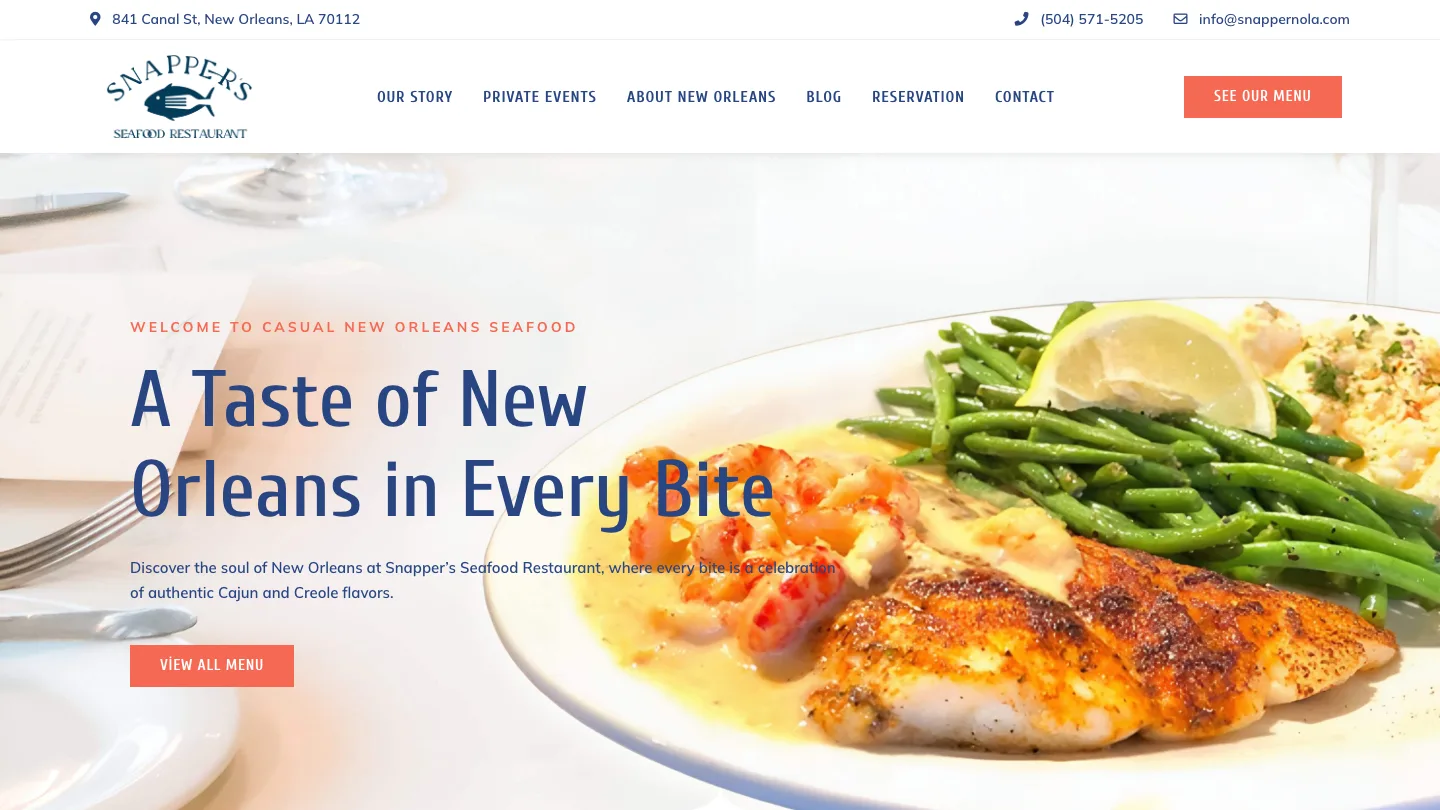
Yes. Sections, dishes, descriptions and prices are edited from the admin, with no developer needed for a price change. Snapper's Seafood has updated its own menu page since launch.
A request form (party size, date, 15-minute time slots) that you confirm yourself costs nothing per cover and keeps the guest's details. A booking platform adds live availability, deposits and no-show handling, for a monthly fee or a per-cover charge. Small, busy rooms often do fine with a request form plus a click-to-call number for large groups.
Yes. We recover the logins for the site, the domain and the hosting, and move them into your name. Then we keep the menu, hours and forms right every month.
Yes, if we start now. An events page and an enquiry form are a small build, quoted at a fixed price with a delivery date before any work starts.

Reactll Connect

Every booking, in your pocket

Our restaurant clients get Reactll Connect, a private app that shows table bookings and catering requests the moment they are sent, plus calls, direction taps, today’s orders and a direct line to the team that runs the site. Each client sees only their own sites.

Book a Free Restaurant Meeting An engineer answers