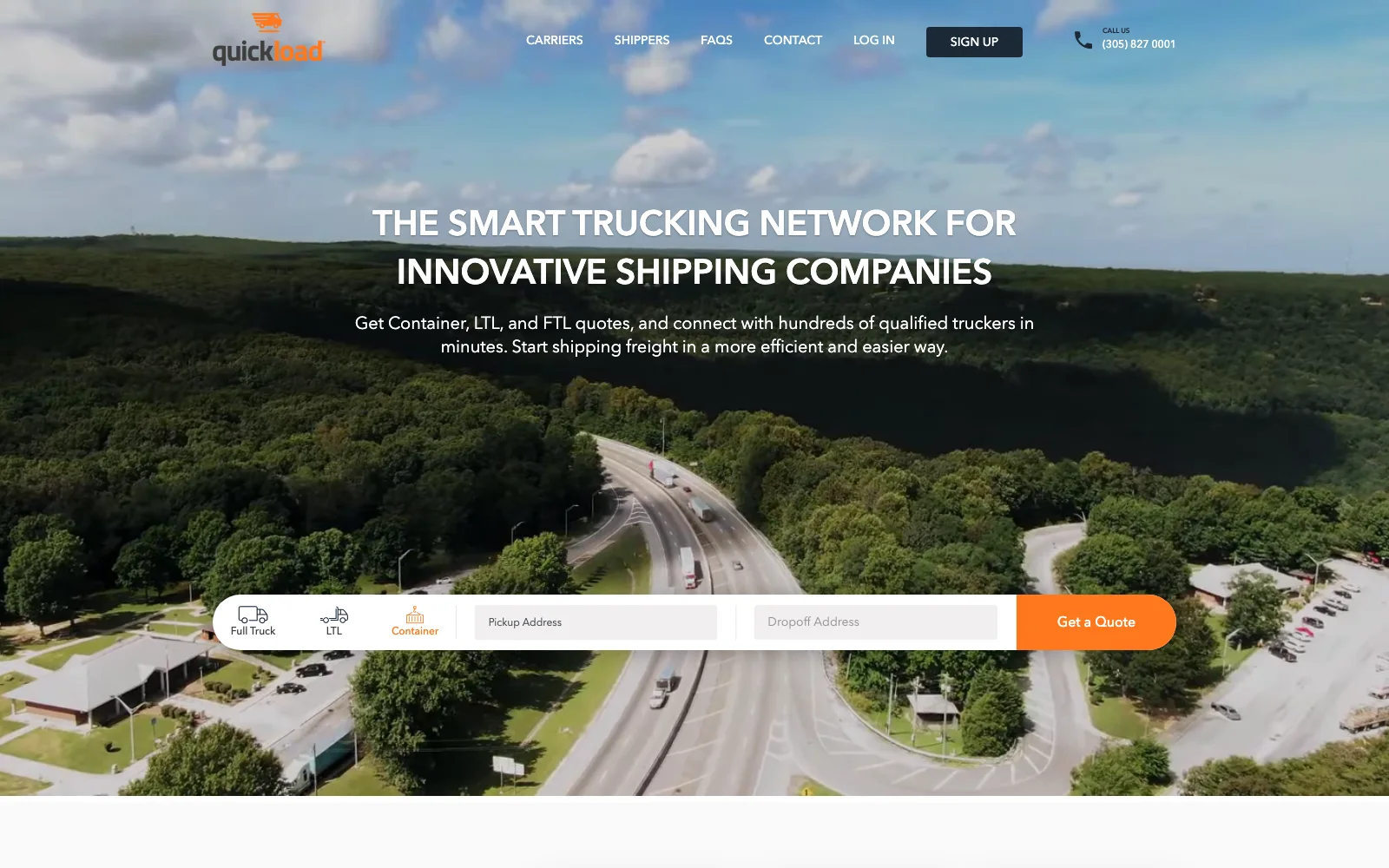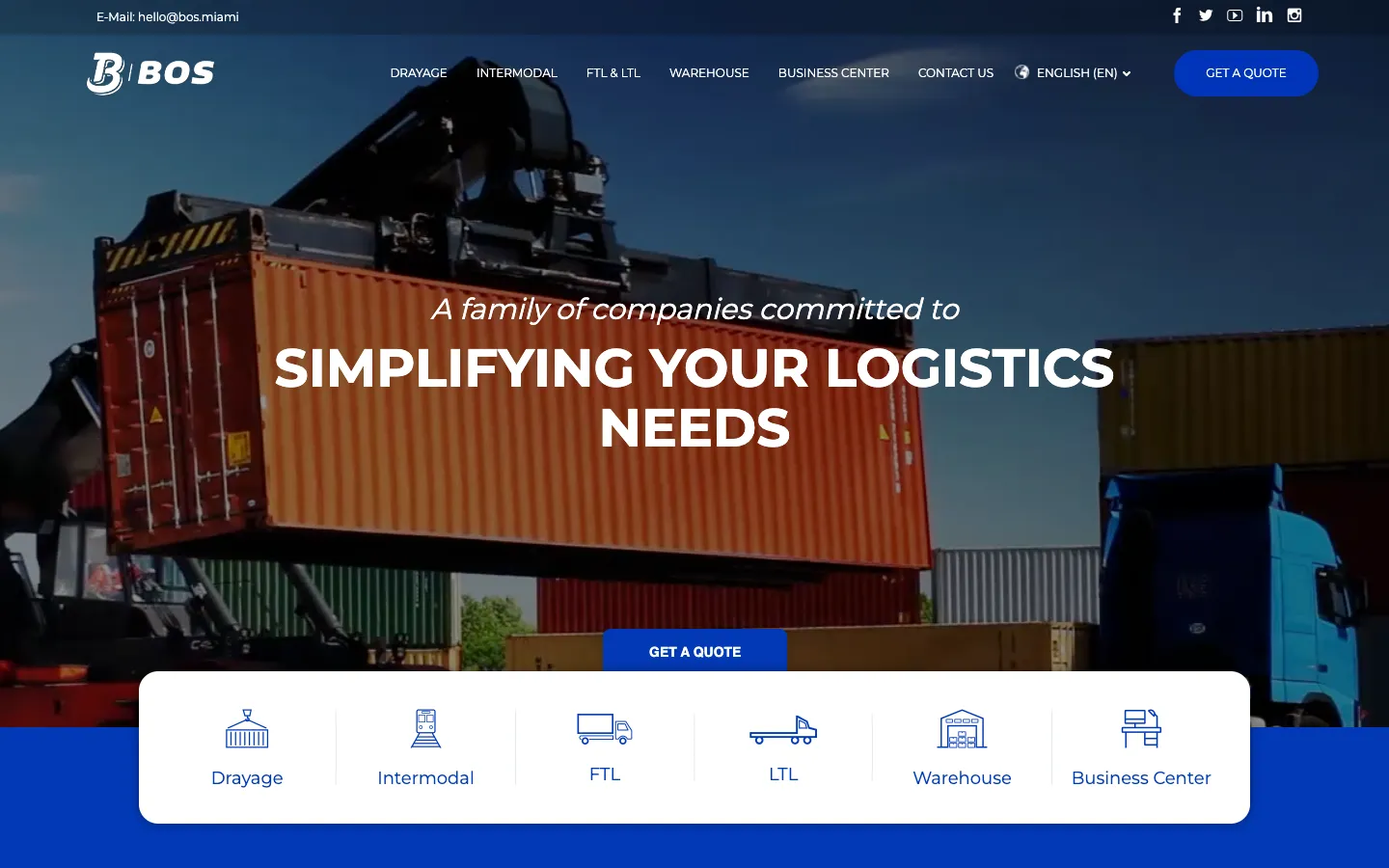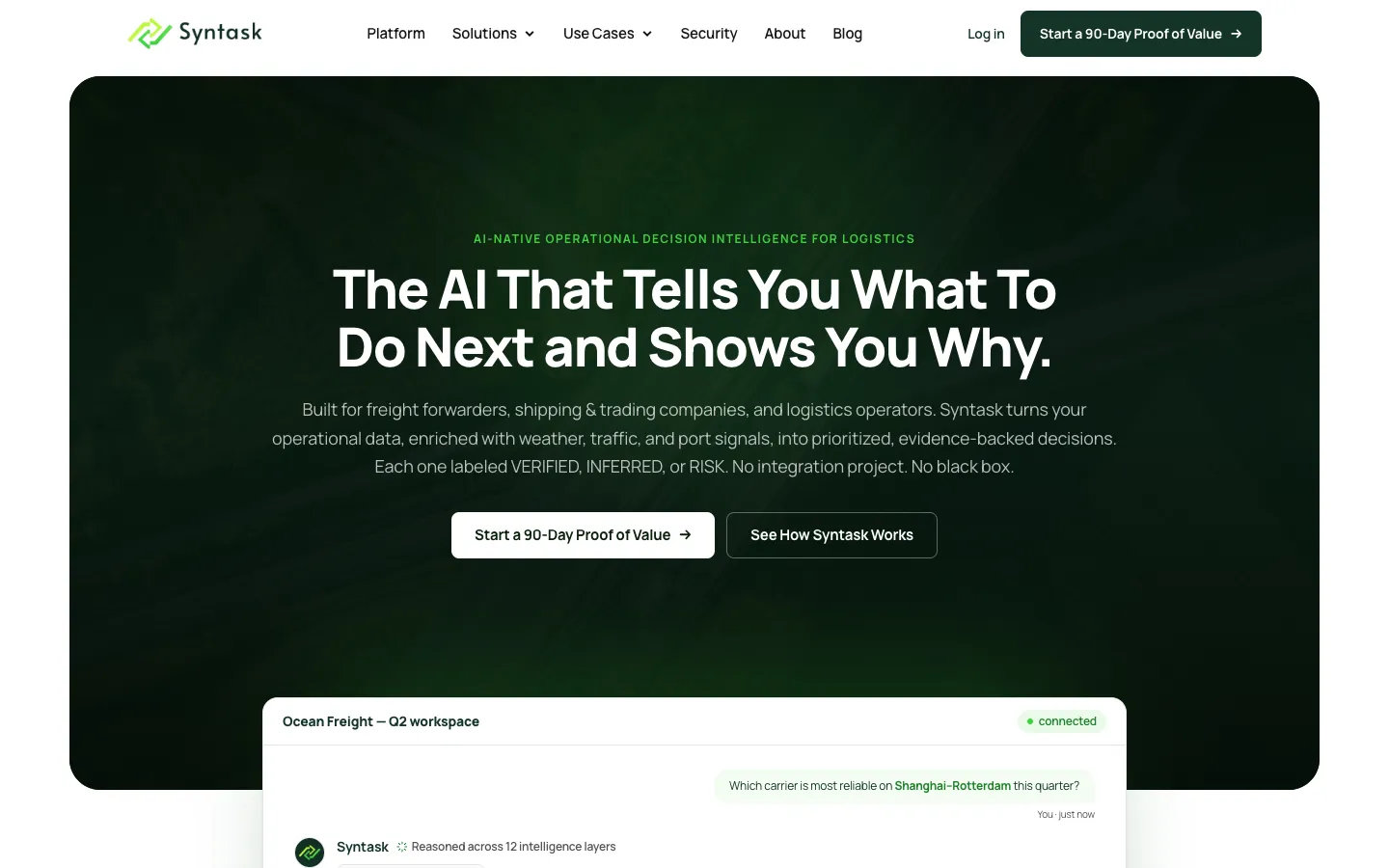

Drayage quotes arrive without size, weight or pre-pull.
A quote form per service that captures what pricing needs, and AI that turns emailed rate requests into ready-to-price quotes.
Freight margin leaks before the truck moves: quote requests missing what pricing needs, gate timestamps scattered across inboxes and PODs stuck on a driver's phone. We build the software that closes those gaps.
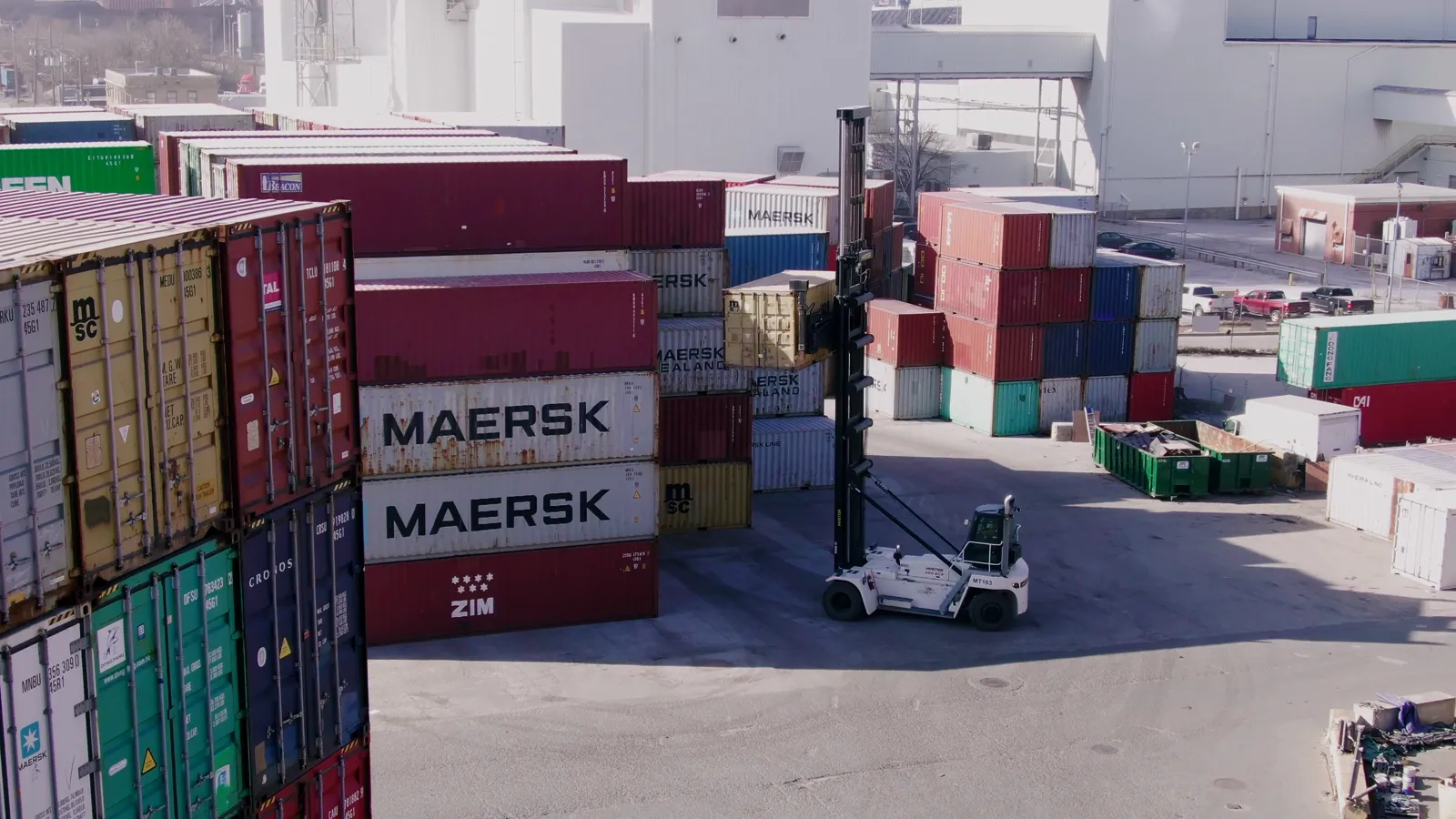
A digital POD upload tied to the load record is often worth more than any dashboard.
Honest before clever

What we fix for freight firms
Freight margin leaks before the truck moves. We fix each gap inside the TMS, load board and accounting tools already in place.
What we already know
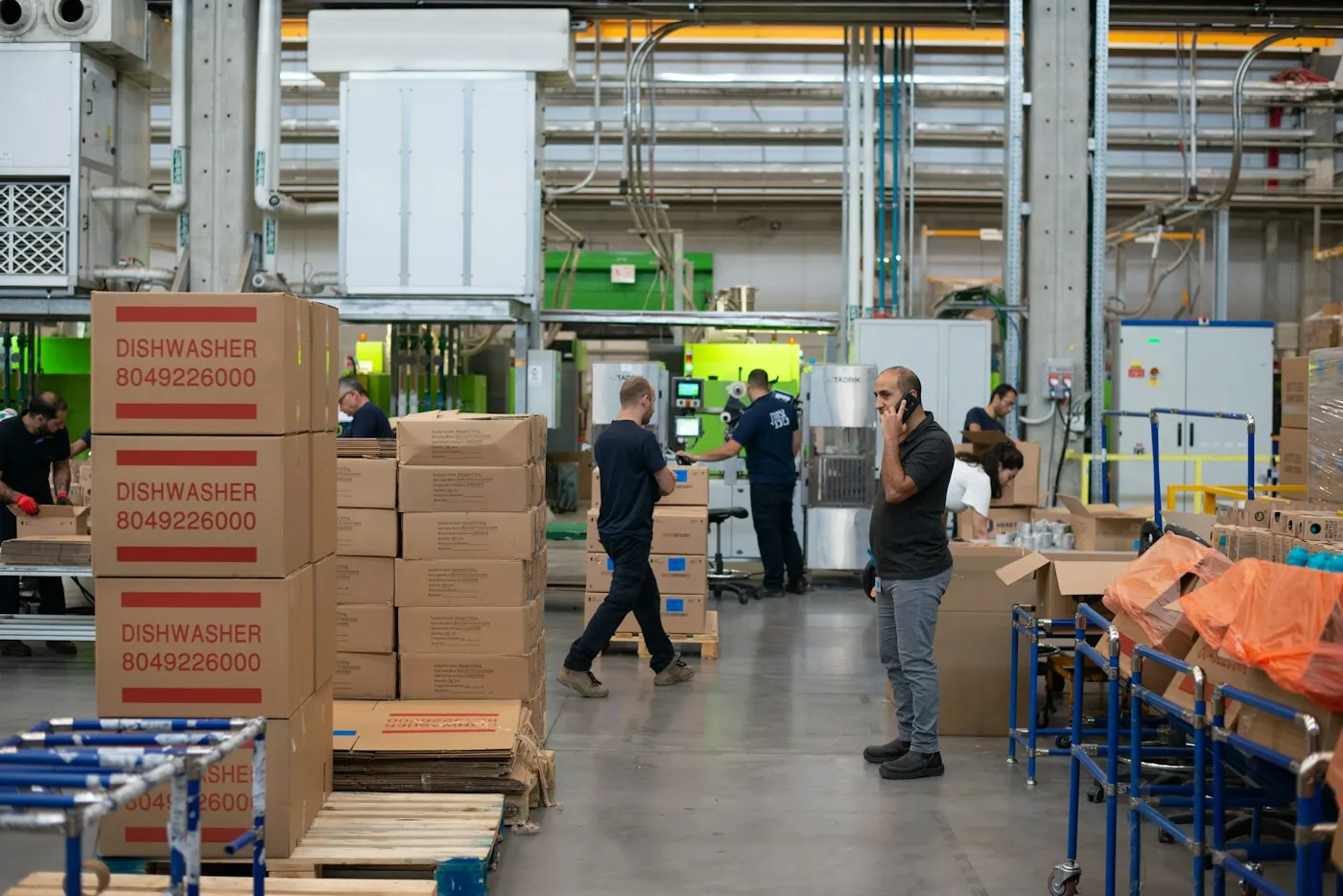
Drayage needs container size, type and accessorials like pre-pull or chassis split; FTL and LTL need class, weight and dims; warehousing needs pallets and duration. One generic form guarantees a second email.

Demurrage at the terminal and detention or per diem on the carrier's equipment are billed against the last free day and gate timestamps.
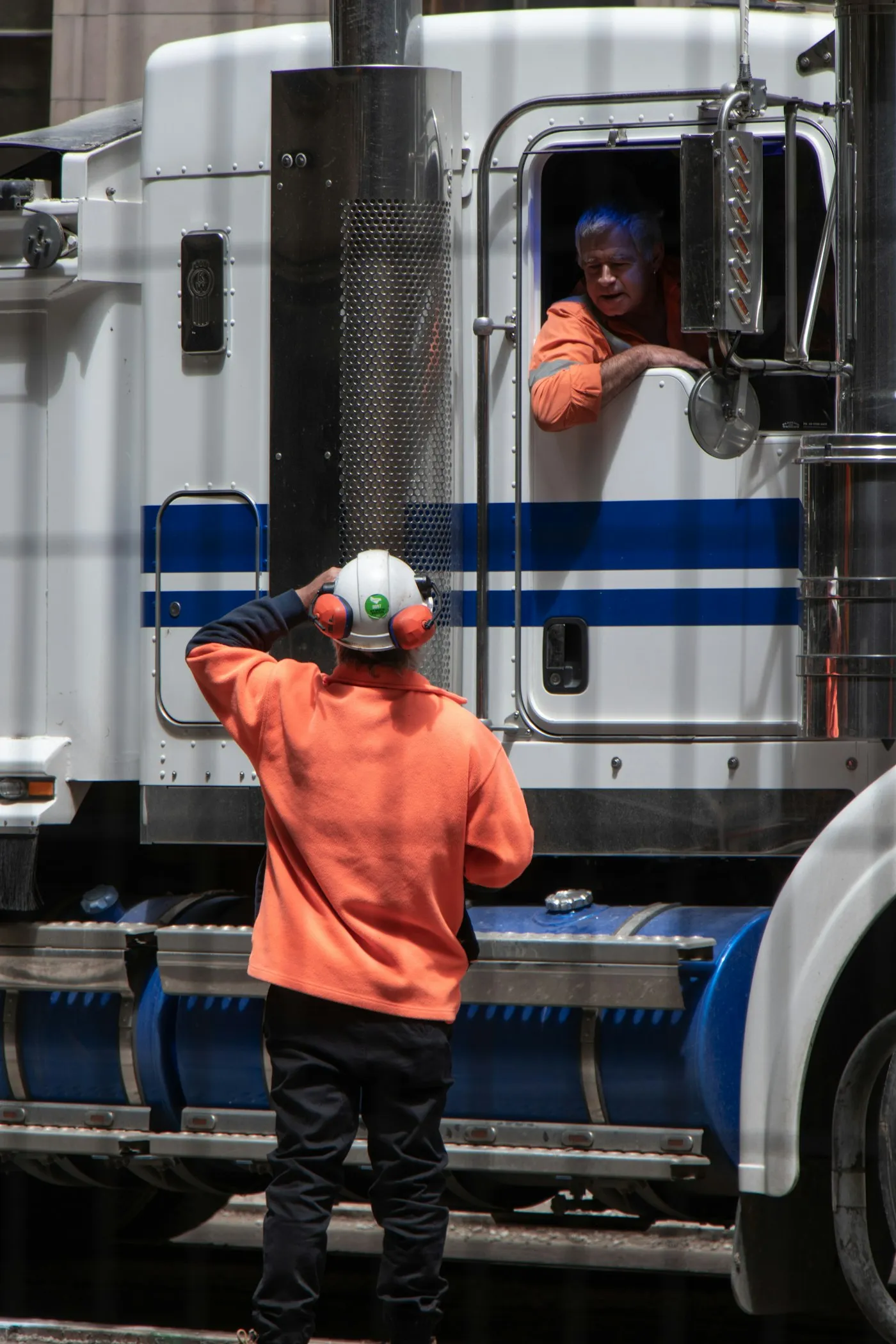
Double brokering and identity fraud mean onboarding has to keep watching for changed contact or payment details after sign-up, not just accept a form.
Where AI fits a freight firm

Rates, carrier selection and appointment commitments depend on market knowledge and relationships your team owns.
Approving a carrier is a decision a named person makes and answers for, after checking authority and insurance records.
What changes
A request becomes a rate without a second email.
Each side gets its own steps and language, and both land in the same operations record.
A broken quote form in peak season is a missed load, so we monitor what we run.
Built for logistics companies



In production
Related applications & industries
FAQ
Tell us where the work slows down between the request and the delivery. You will talk to an engineer who has built freight software, not a salesperson.
Step 1 of 2
Two quick steps: what is going on, then where to send our reply. An engineer reads it and tells you honestly if we are not the right fit.
Which of these is closest?
Two steps. We ask for an email on the next one.
An engineer reads it and usually answers the same working day. In the meantime, feel free to explore.
Cookies
Before you go — have a system that's stuck, or needs AI?
We build what's missing, add AI where it really helps, and keep it all running.