

Walk Through the Real Process
We follow an order, invoice or quote end to end, exceptions included.
Integrations first, AI only if it pays. Your store, CRM, ERP, accounting software and inbox connected, so invoices, quotes and orders move by rules instead of by hand, with a log of what moved and what failed.
Two SaaS tools and a simple trigger? Zapier or Make will do it for a monthly fee. We will say so.
Honest before clever
Next in Build
Retrieval Over Private Data
Answers from your own documents, with sources.
What it is
Process automation and integrations connect the systems a business already runs: its store, CRM (customer records), ERP (stock and operations), accounting software and inbox. Invoices, quotes, orders and records then move between them by rules instead of by hand.
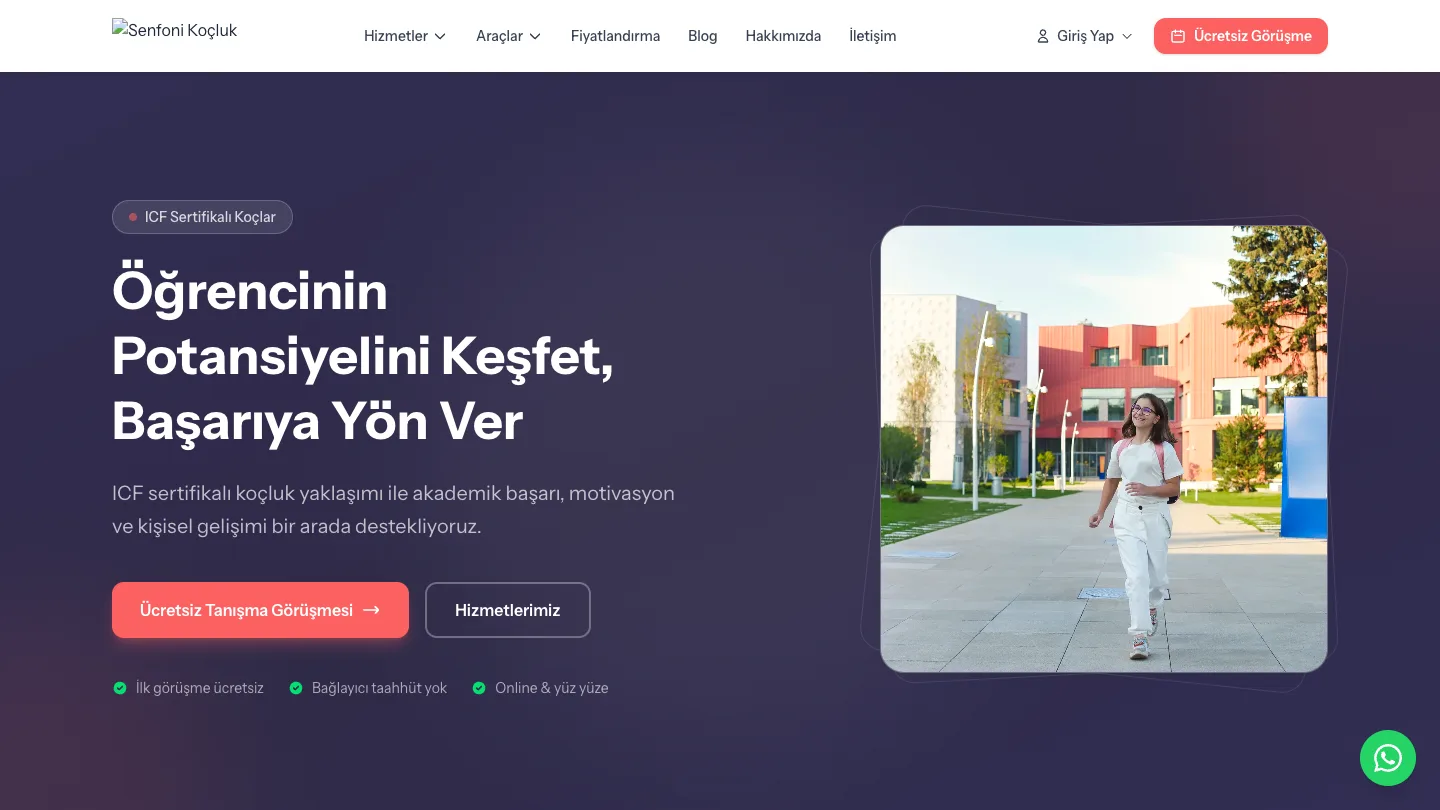
You get fewer retyping errors and a log of what moved and what failed. We moved Senfoni Koçluk, an Istanbul coaching practice, off WhatsApp and spreadsheets onto one platform. We add AI only where a person would otherwise have to read something.
Process Automation & Integrations moves data between systems by rules, with AI optional. Agent Pipelines suit messy inputs, such as emails and PDFs, that need reading or judgement. Custom Platforms & Portals fits when the spreadsheet should become a full system with different user roles.
You probably do not need AI for this. Plain connection code solves most retyping and syncing. Custom work beats a no-code tool only when volume, money or complexity make unnoticed failures expensive.
What walks in
Data entered once, fewer retyping errors, and a log of what moved and what failed.

WordPress & WooCommerce
02Custom Platforms & Portals
03Maintenance & Hosting
04Agent Pipelines


What we already know
01
When two systems can both edit an address, a two-way sync eventually overwrites the correct one.
02
A webhook is an instant message one system sends another. Every step must be safe to process twice, and able to wait for a missing piece.
03
Systems round tax differently, per line or per invoice. So rules for matching up totals belong in the design.
04
Logins expire and vendors change their APIs. So monitoring that notices "nothing has synced since Tuesday" is part of the job.
How a job starts here

We follow an order, invoice or quote end to end, exceptions included.
We write down which system owns which field, what starts each step and what happens on failure. That becomes a fixed scope and price.
The path
In logistics, that means feeding the transport system (TMS), load board and accounting you already have, with one owner per field.
Background jobs that retry on failure, numbered PDF quotes and invoices, and a small internal tool with a sync log in place of the spreadsheet. It runs beside the manual process until the numbers match. AI steps come in only where someone reads emails or PDFs.
On a Run plan we watch the sync log, renew logins and keep up with vendor changes.
Who it is for
Custom integration beats a no-code tool only when volume, money or complexity make unnoticed failures costly. Otherwise we will point you to the cheaper tool.
A good fit
The same data is entered by hand into two or more systems every week.
Invoices, quotes or reminders follow rules you can describe, and your systems have APIs or exports.
Copying mistakes cost real money: wrong invoices, missed payments, double-booked stock.
Not a fit yet
Low volume between modern online tools: Zapier or Make will do it for a monthly fee, and we will say so.
Zapier, Make or similar
If the process is unclear or still moving, agree how it should run first.
Consulting & Roadmap
In production
FAQ
Tell us which tools hold your orders, invoices and customers. An engineer will say what can move by rules, and where AI is worth adding.
Step 1 of 2
Two quick steps: what is going on, then where to send our reply. An engineer reads it and tells you honestly if we are not the right fit.
Which of these is closest?
Two steps. We ask for an email on the next one.
An engineer reads it and usually answers the same working day. In the meantime, feel free to explore.
Cookies
Before you go — have a system that's stuck, or needs AI?
We build what's missing, add AI where it really helps, and keep it all running.