

 01
01
“Customers keep asking if we have an app.”
If the website already does everything an app would, we say so and scope a mobile website instead. An app earns its place with repeat use, push, camera, location or offline access.
Still shipping updates next year. One app for iPhone and Android, built with Expo and React Native on your existing Laravel, WordPress or WooCommerce backend. Store accounts in your company's name, plus help with review and yearly upgrades.
Customers use you a few times a year? A fast mobile-friendly website serves them better.
Honest before clever
Next in Build
Process Automation & Integrations
Invoices, quotes and data moving between your tools on their own.
What it is
Reactll builds mobile apps for iOS and Android from one shared Expo and React Native codebase. They are for businesses that already run a website, platform or store and want an app on the same data.
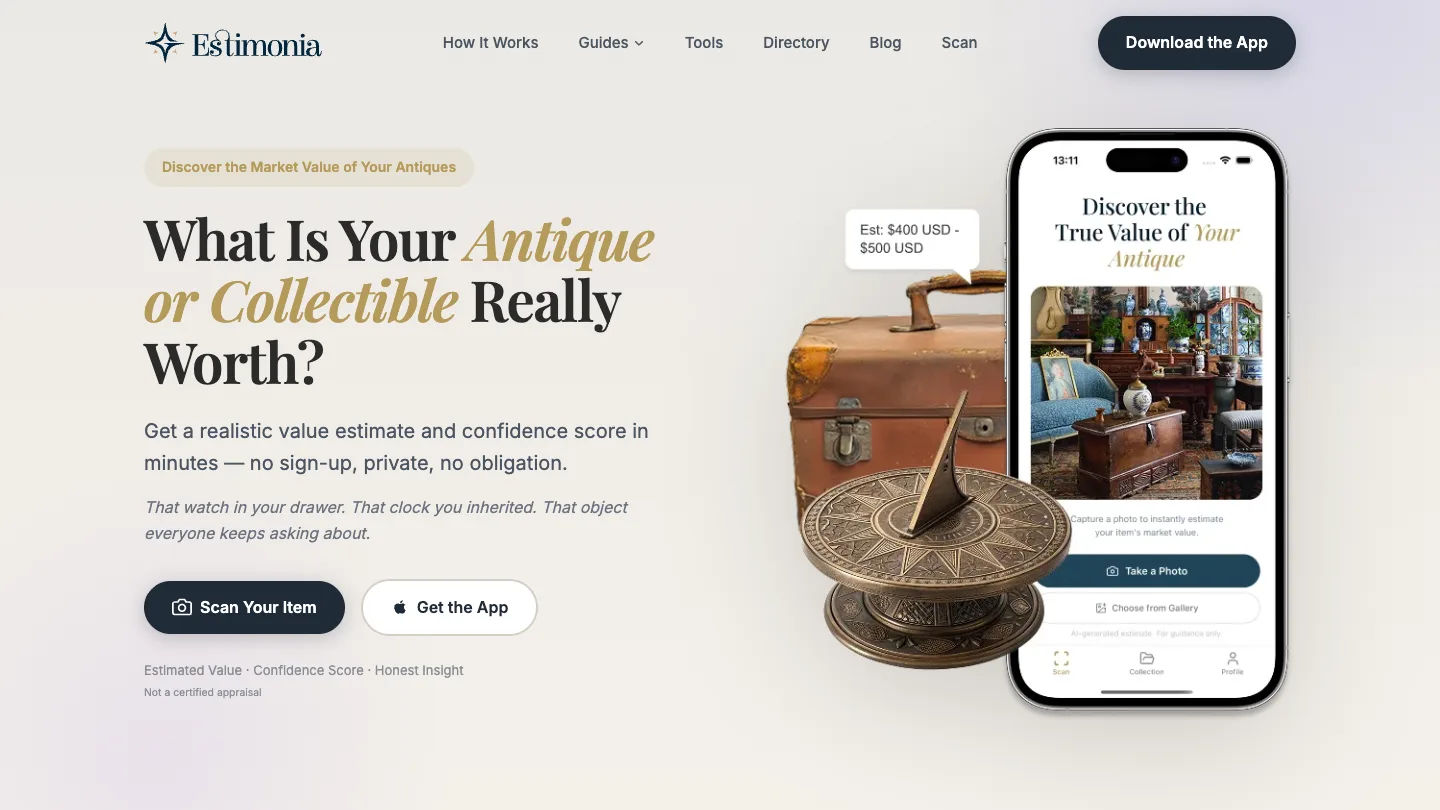
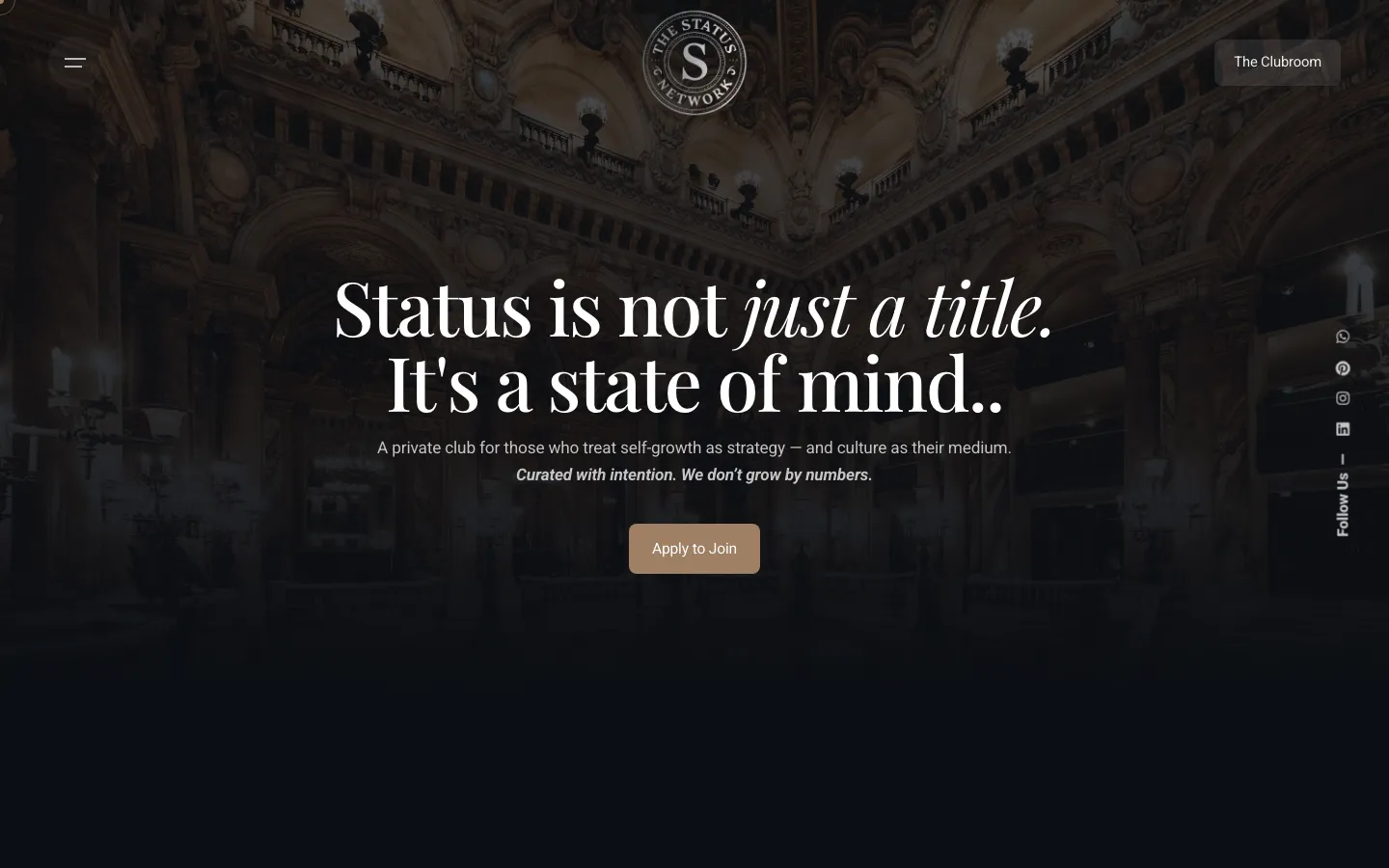
You get the app and the API it needs on your existing Laravel, WordPress or WooCommerce backend. You also get store accounts in your company's name, and help with review and yearly upgrades. We run our own apps, Estimonia and Real Estate Club Dubai, and built the iOS app for The Status Network's members.
Mobile Apps covers the app and the API it needs on your backend. If the business system does not exist yet, start at Custom Platforms & Portals or Marketplaces. An app left behind by a previous developer starts with Project Rescue or Takeover & Handover. A PWA (a website that installs like an app) is cheaper and skips store review. But on iPhone, its push notifications only work after users add the site to their home screen.
What walks in
01
If the website already does everything an app would, we say so and scope a mobile website instead. An app earns its place with repeat use, push, camera, location or offline access.
 02
02
An app left by a previous developer starts with a takeover or a rescue. Then the yearly upgrades Apple and Google require run on a schedule, before the stores enforce them.
 03
03
We read the rejection and fix the cause: a website in an app wrapper, no way to delete an account, privacy details that do not match, or no login for the reviewer. Then we reply to the reviewer.
What we already know
01
An app needs to do something the site cannot. If users can create an account in it, they must be able to delete it there too. The Status Network had account deletion from the start.
02
Apps behind a login get rejected when the reviewer cannot sign in. So we provide a demo account, or let the first screens work without one, as Estimonia and Real Estate Club Dubai do.
03
Apple asks for a D-U-N-S number (a company ID number), which takes time. New personal Google Play accounts must run a closed test with at least 12 testers for 14 days. Company accounts skip this.
04
Changes to JavaScript, styling and images can skip review. Native code, new permissions or a new Expo version need a new build and review. We use these updates for fixes, not to change what the app does behind the reviewers' backs.
Who it is for
A PWA (a website that installs like an app) is cheaper and skips review. But on iPhone, its push notifications only work after users add the site to the home screen.
Good fit
You run a Laravel platform, WordPress community, WooCommerce store or API, and want an app on the same data.
Good fit
People repeat a task often enough to keep an app on their phone, or need push, camera, location or offline reading a website does poorly.
Good fit
An existing app has stopped building, keeps getting rejected, or nobody can ship an update any more.
Not a fit yet
A fast mobile-friendly website serves them better. Deep phone-specific work such as custom AR needs a native specialist team. An app shipped once and left alone still needs a budget for running it.
How it runs
Step 01
If a mobile website would do, we say so and scope that. Apple rejects apps that are only a website in a wrapper, so the app must do something the site cannot.
Step 02
We open company accounts in your name early. Apple asks for a D-U-N-S number, which takes time, so the checks run alongside design.
Step 03
From the first weeks, your team uses test builds (TestFlight and Google Play testing) on their own phones. Crash reporting is set up before the first beta.
Step 04
We prepare listings, privacy details and a demo account for the reviewer. Then come over-the-air fixes and yearly upgrades. Native code, new permissions or a new Expo version still go through review.
In production
FAQ
Tell us what the app should do and which system it connects to. We will talk through the build, app store accounts in your name and yearly upgrades.
Step 1 of 2
Two quick steps: what is going on, then where to send our reply. An engineer reads it and tells you honestly if we are not the right fit.
Which of these is closest?
Two steps. We ask for an email on the next one.
An engineer reads it and replies within one working day, by email to . We just sent a copy of your message there.
Essential cookies keep the site working. Analytics cookies are set only if you accept: our own visit counter and, if you came through a link in an email from us, a link between your visits and your contact record, so our team can see what you read. Accepting also lets us remember your industry and which notices you have already seen. Otherwise visits are counted without cookies and without storing your IP address. You can change your choice at any time under Cookie Settings in the footer. Cookie Policy
Before you go — have a system that's stuck, or needs AI?
We build what's missing, add AI where it really helps, and keep it all running.