
Quickload: Frontend and UX for a Two-Sided Freight Marketplace
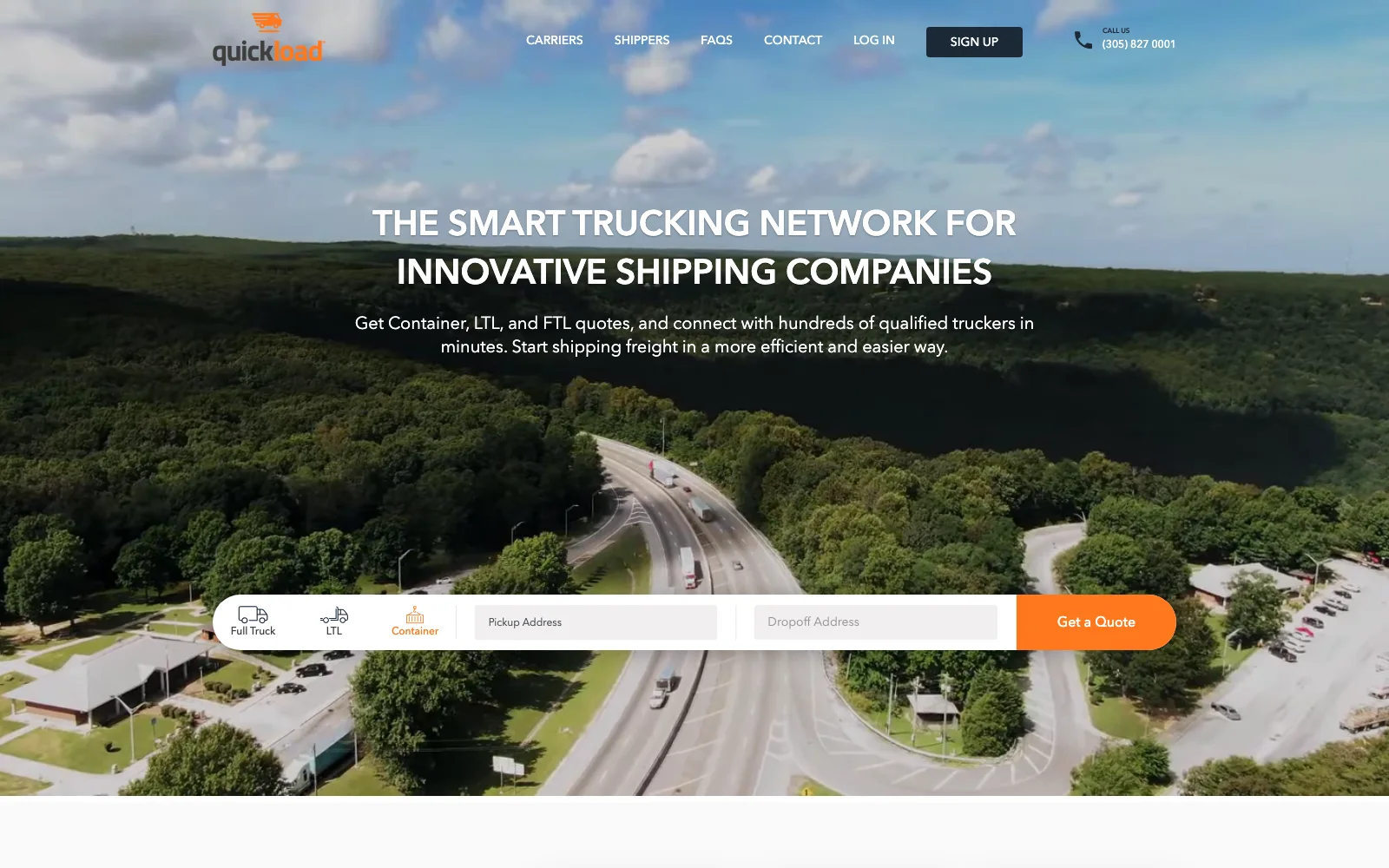
Quickload connects shippers with a network of vetted truckers for container drayage (short trips to and from the port), LTL (less than a truckload) and FTL (full truckload) freight. We designed and built the public website: the design system, the page designs and separate paths for shippers and carriers. Each path leads from an instant quote on the homepage to sign-up for that role.

- Project
- Marketplace website
- Our role
- UI/UX design & frontend build
- Platform
- ASP.NET MVC
- Country
- United States
- Year
- 2019
The challenge
Two audiences, one front door
Quickload is a two-sided freight network. Shippers and freight forwarders need a truck. Owner-operators and trucking companies need loads worth taking. Both arrive on the same homepage with opposite goals, words and concerns.
Freight pricing is normally a phone call
Drayage, LTL and FTL quotes usually take calls and emails. The site had to make an instant quote feel fast and believable. It still had to collect the details a real load needs: truck type, pickup, dropoff and freight details.
A niche, local-first service catalog
Beyond the platform, Quickload sells hands-on services around Port Miami and Port Everglades: container drayage, warehousing and transloading (moving cargo from one container or truck to another). Those pages had to explain trade terms like pre-pull, live unload and last free day without losing the marketplace story.
Our approach
A site split by role
We built the site around two entry points, I'm a Shipper and I'm a Carrier. They repeat in the header, the homepage walkthrough and sign-up. Each role gets its own landing page, benefits, buttons and sign-up path.
A homepage that starts with a quote
The top of the homepage leads with a Quick Quote form, with a tab for each freight type (Full Truck, LTL, Container). Pickup and dropoff addresses fill in as you type. The shipper's first step is to try the product instead of reading about it.
Four-step flows for each side
We turned both workflows into matching four-step sequences. For shippers: get a quote, book, get matched with a trusted trucker, and receive a digital POD (proof of delivery). For carriers: find loads, accept and assign a driver, update status, upload the POD and get paid. The same pattern carries over into the role pages.
A reusable page system for services
Service pages for drayage, LTL, FTL, warehousing and transloading share one layout: a hero, a grid of benefits, a find/get/repeat sequence, testimonials and a closing sign-up band. That keeps a growing catalog consistent and quick to extend, including the Spanish version of the site.
Screens
Inside Quickload
How we delivered
From first brief to running in production
-
01
ResearchMap both sides of the market
We mapped what shippers and carriers each need to see before they commit, and where their journeys split.
Shipper journeyCarrier journeyService catalog -
02
Define the design system
DesignWe set a shared set of page parts for every page type: hero, benefit grids, step sequences and sign-up bands.
ComponentsLayout patternsResponsive grid -
03
Design the quote and sign-up flows
PrototypeWe designed the tabbed Quick Quote widget and the role-based paths into shipper and carrier registration.
Quick QuoteRole selectionRegistration -
04
Page designs for services
DesignWe applied the system to landing pages for drayage, LTL, FTL, warehousing and transloading.
DrayageLTL / FTLWarehouse -
05
Frontend build
DevelopmentWe built the designed pages as the frontend of Quickload's ASP.NET MVC platform, in English and Spanish.
Page templatesBootstrap & jQueryBilingual layouts
Results
What is running today
A live, bilingual marketplace frontend
The site runs in English and Spanish. It has pages for shippers, carriers, drayage, LTL, FTL, warehousing, transloading, the agent program, FAQs and contact, and all of them lead to sign-up for each role.
Instant quote and sign-up as the primary actions
Every major page ends in a clear next step: get a quote, start shipping or join as a carrier. The homepage quote form asks for freight type, route and freight details up front. So the operations team gets complete requests instead of open-ended emails.
Consistent across web and mobile touchpoints
The website sits next to Quickload's iOS and Android carrier apps, with app store links and a smart app banner. Carriers can move from the marketing site to the app they actually work in.

We have been working with this great team on many projects for about five years. They are doing great work on both interface design and web development. We look forward to doing more projects together.

More work
Other things we built and run
AuditSocials
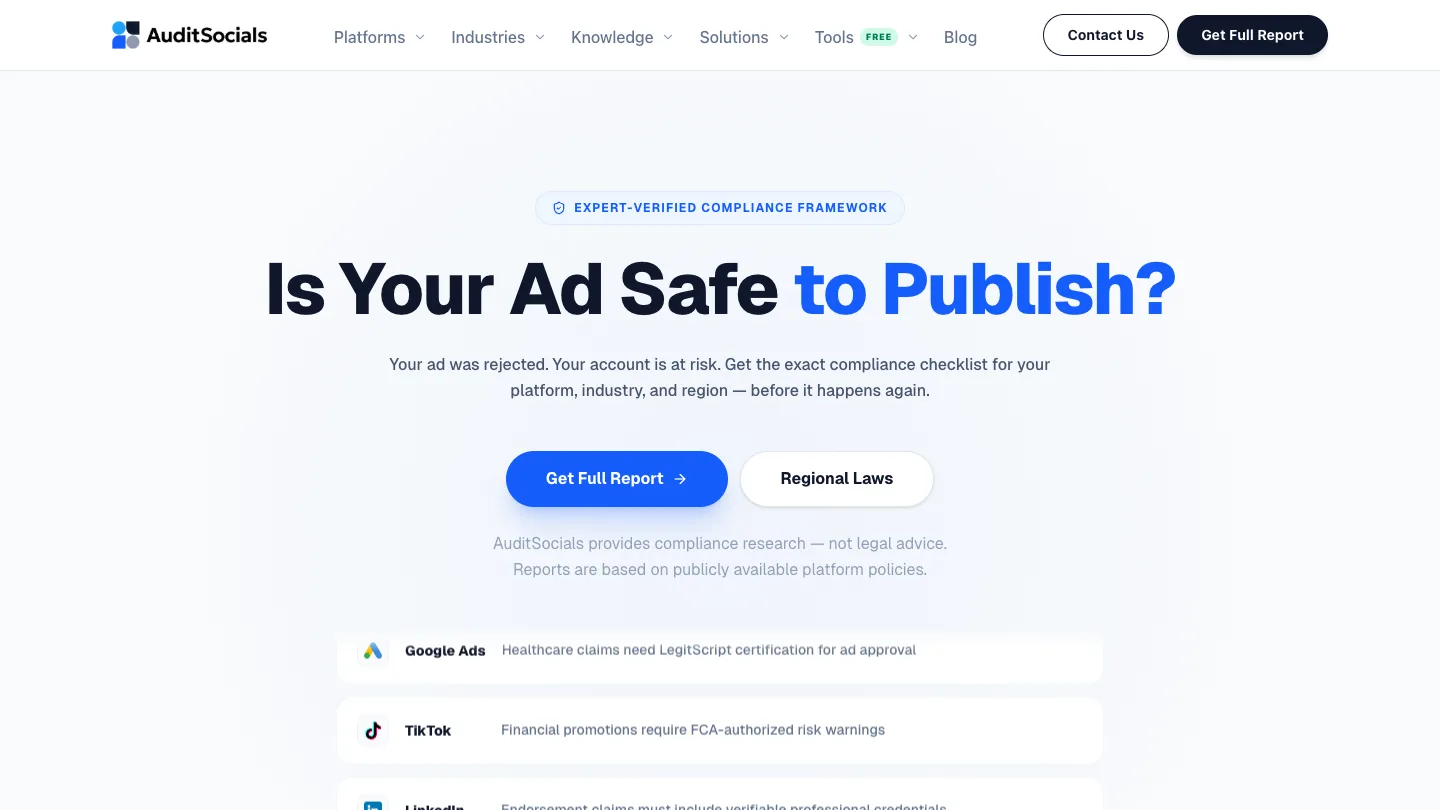
AuditSocials is our own product. It tracks the advertising and content policies of 8 social and ad platforms. It also tracks live enforcement data from the EU DSA Transparency Database and moves by regulators. It turns all of this into one feed, ranked for your industry. The same engine is available as a REST API and an MCP server (a way for AI assistants to use it), so content can be checked before it is published.

Syntask
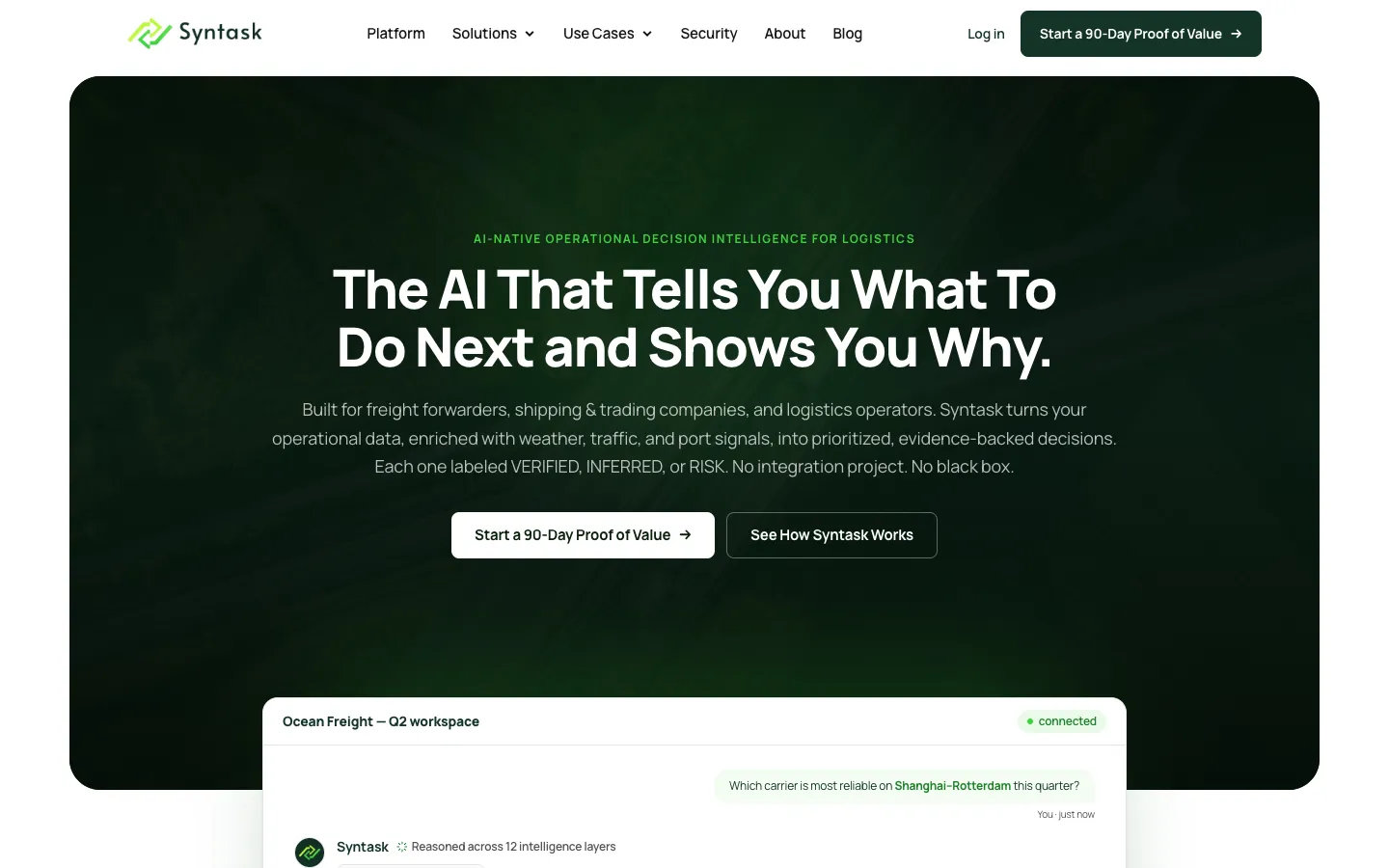
Syntask is a Finnish startup that helps logistics teams make better decisions (decision intelligence). It needed its website to match a sharper position. We replaced an Elementor WordPress site with a Laravel build. It has pages for each buyer group and use case, the old blog moved over, a custom admin for posts and leads, and one clear next step for buyers.

Estimonia
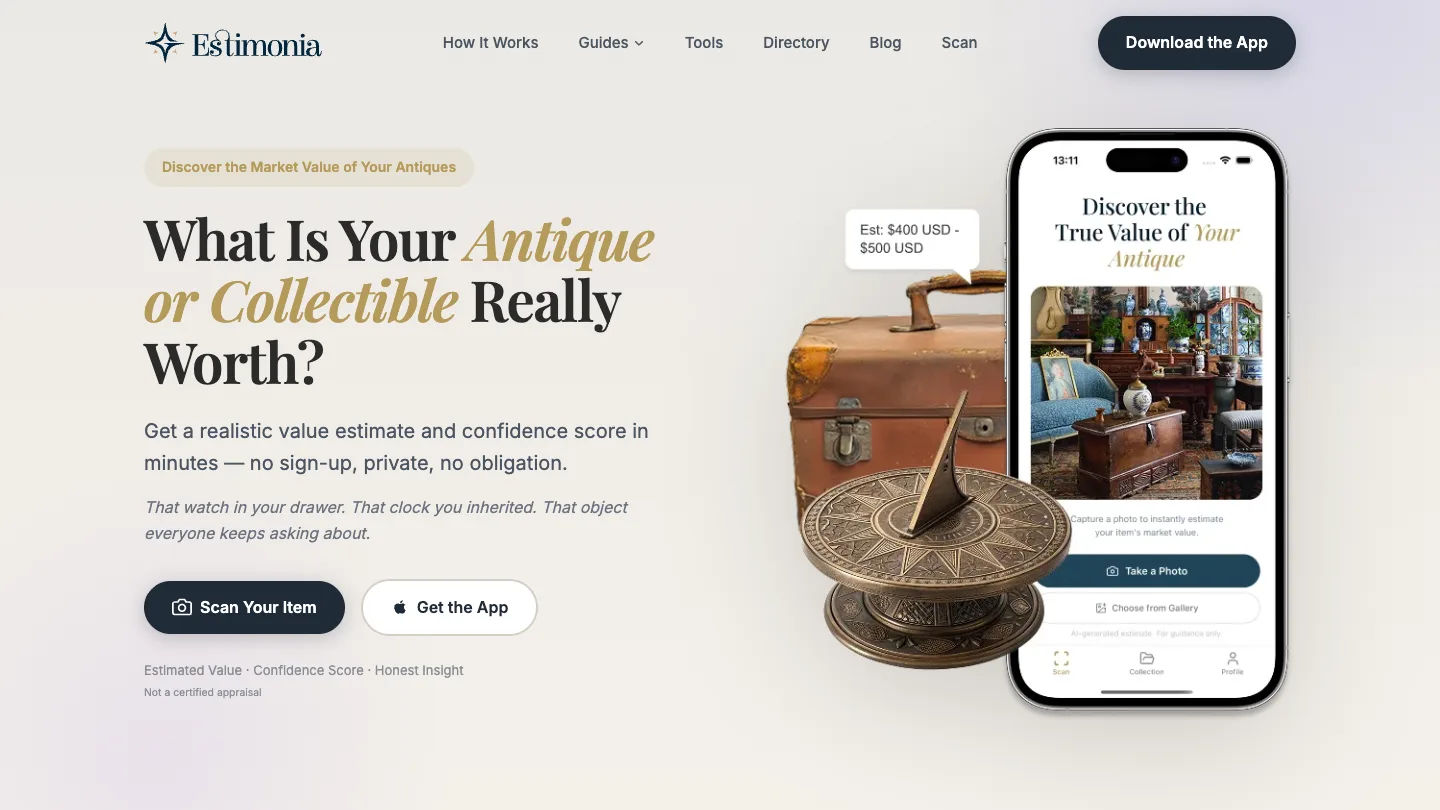
Estimonia is our own product. Upload photos of an antique, watch or piece of jewellery and get a USD value range, a confidence score and a written explanation. We built it and we run it. It has a Laravel 12 API that analyses photos with AI in the background, a web scanner and an auction house directory.